How to Make Paczki: Jam-filled Polish Donuts for Merry Celebration

Paczki are the light spongy rich eggy Polish donuts eaten on Fat Thursday in Poland (and Fat Tuesday in the US). Filled with jam or pastry cream and showered generously with powdered sugar or rolled in white sugar, they are a treat that’s worthy of the celebration they honor.
| Taste | Texture |
| Fried party in your mouth + jam | Pillowy soft |
| Active time | Total time | Yield | Difficulty |
| 20 minutes | 3 hours 10 minutes | 24 donuts | Intermediate |
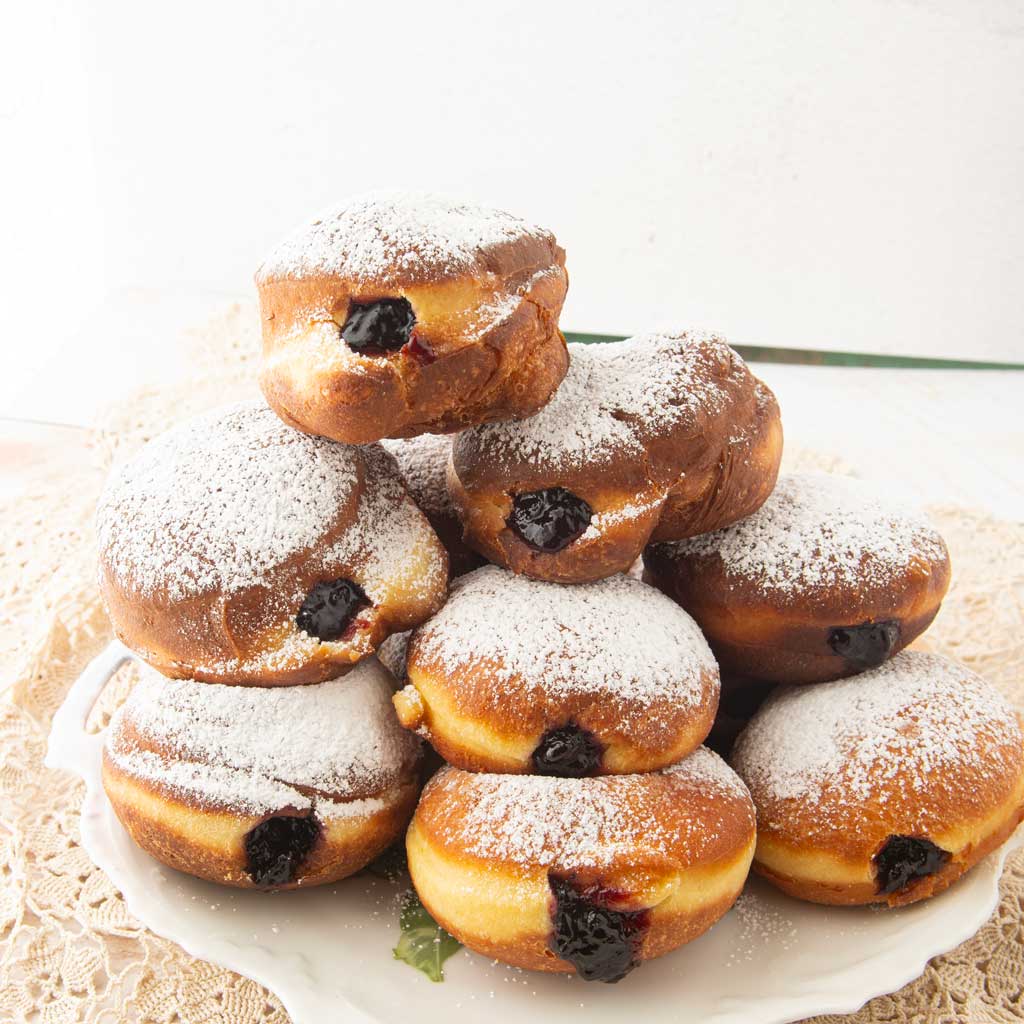
I first learned about Pączki from a local Polish bakery. Unknowingly, my Mom and I stumbled in on Pączki Day itself, only to luckily get the last rose jam filled donuts. What we ate was unlike any American style donut. Pączki are chewy, airy, spongy, and loaded with delicate flavors without being too sweet.
If you’re not near a Polish bakery that can supply you with Pączki just before Lent, the good thing is that you can make them at home without too much fuss.
Let’s go.
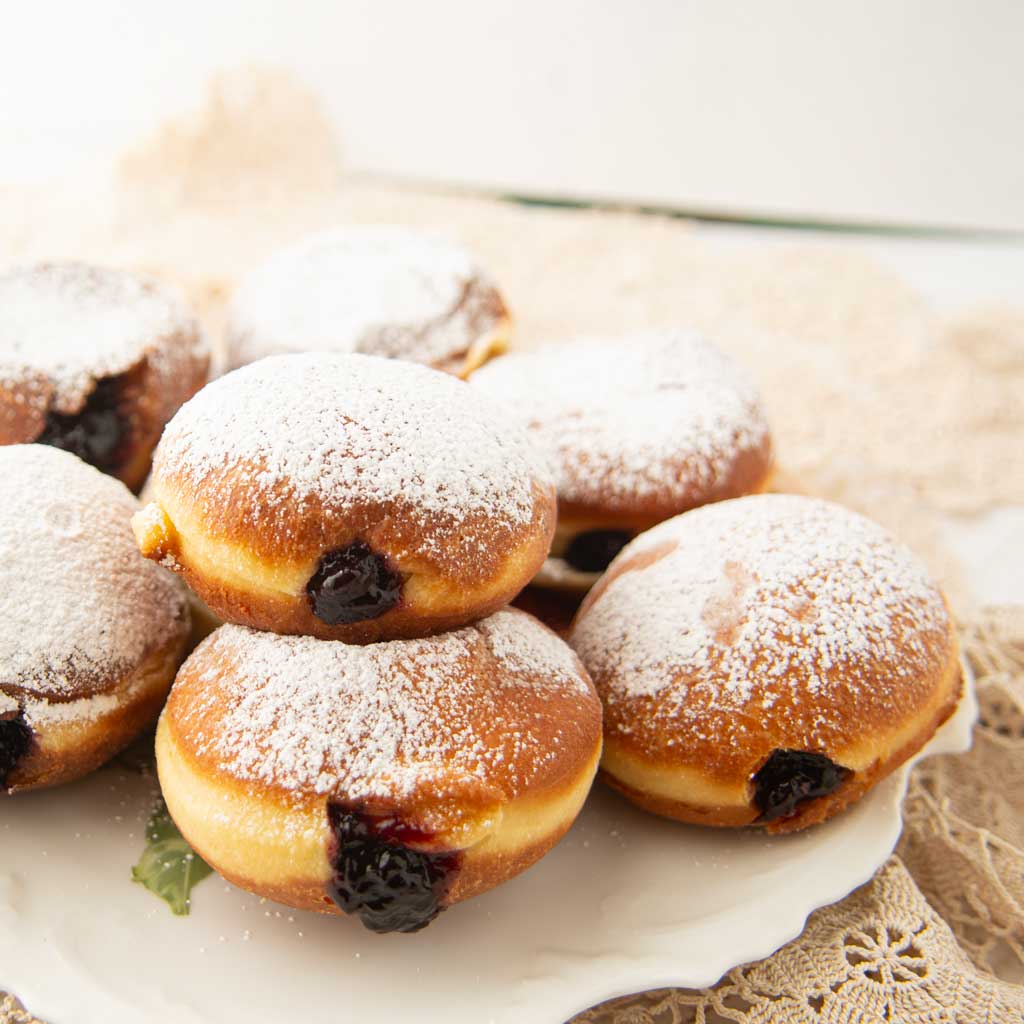
What Are Pączki?
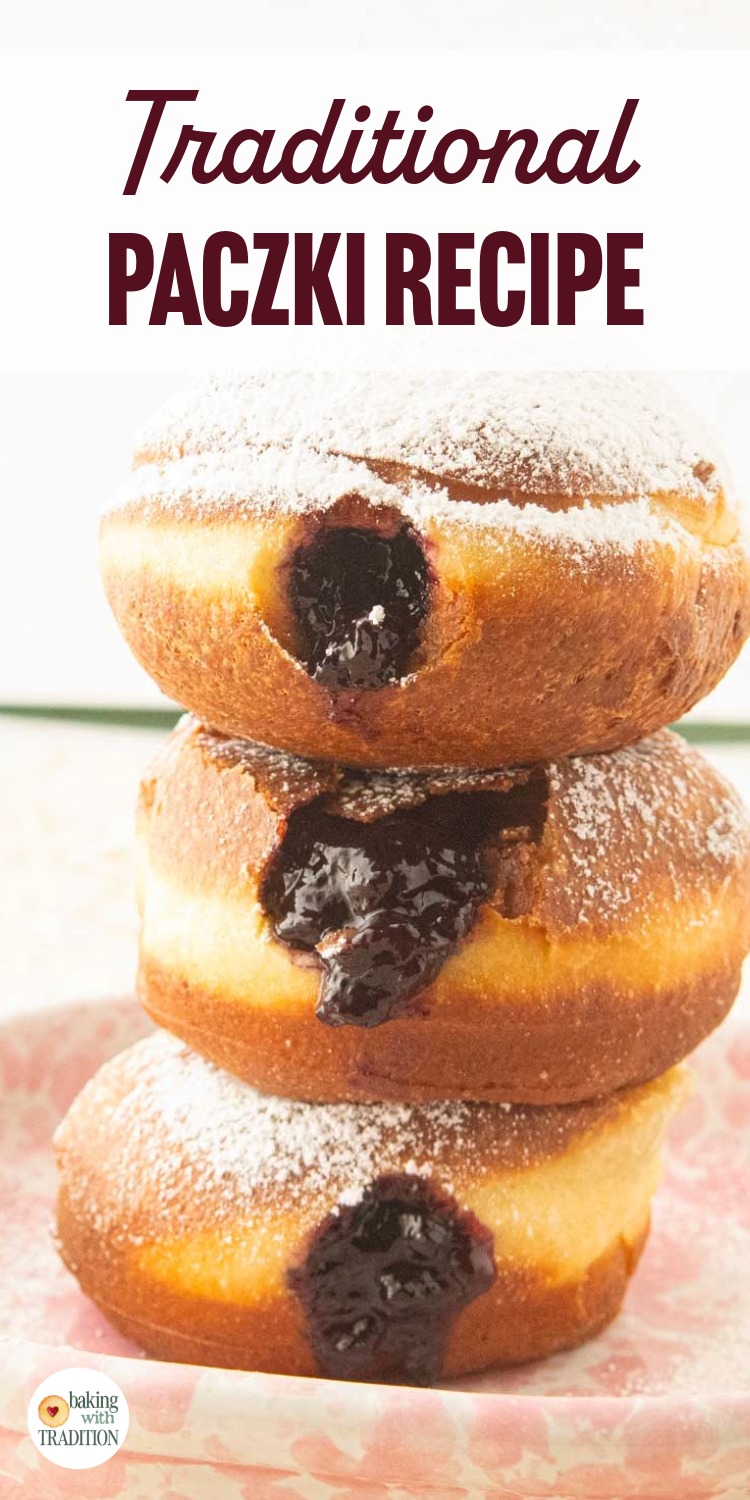
Pączki (pronounced “powch-kee”) are Polish donuts. They are made from a light sponge like highly enriched yeast dough filled with lots of egg yolks, butter, milk, and alcohol. All of these ingredients come together to make a very rich dough that is a treat indeed once fried. After frying (traditionally in lard), the hole-less donuts are filled with either jam or custard like chocolate pastry cream or vanilla pastry cream.
Good Pączki should have a ring of lighter colored dough in the middle. This signifies a paczek that is light, and full of air, leaving space for plenty of filling. When this happens, paczki float on top the oil, leaving a little ring of dough that’s untouched by the heat of the fat.
Paczki are also similar to Koblihy in the Czech Republic and Berliner from Germany.
Origin of Pączki
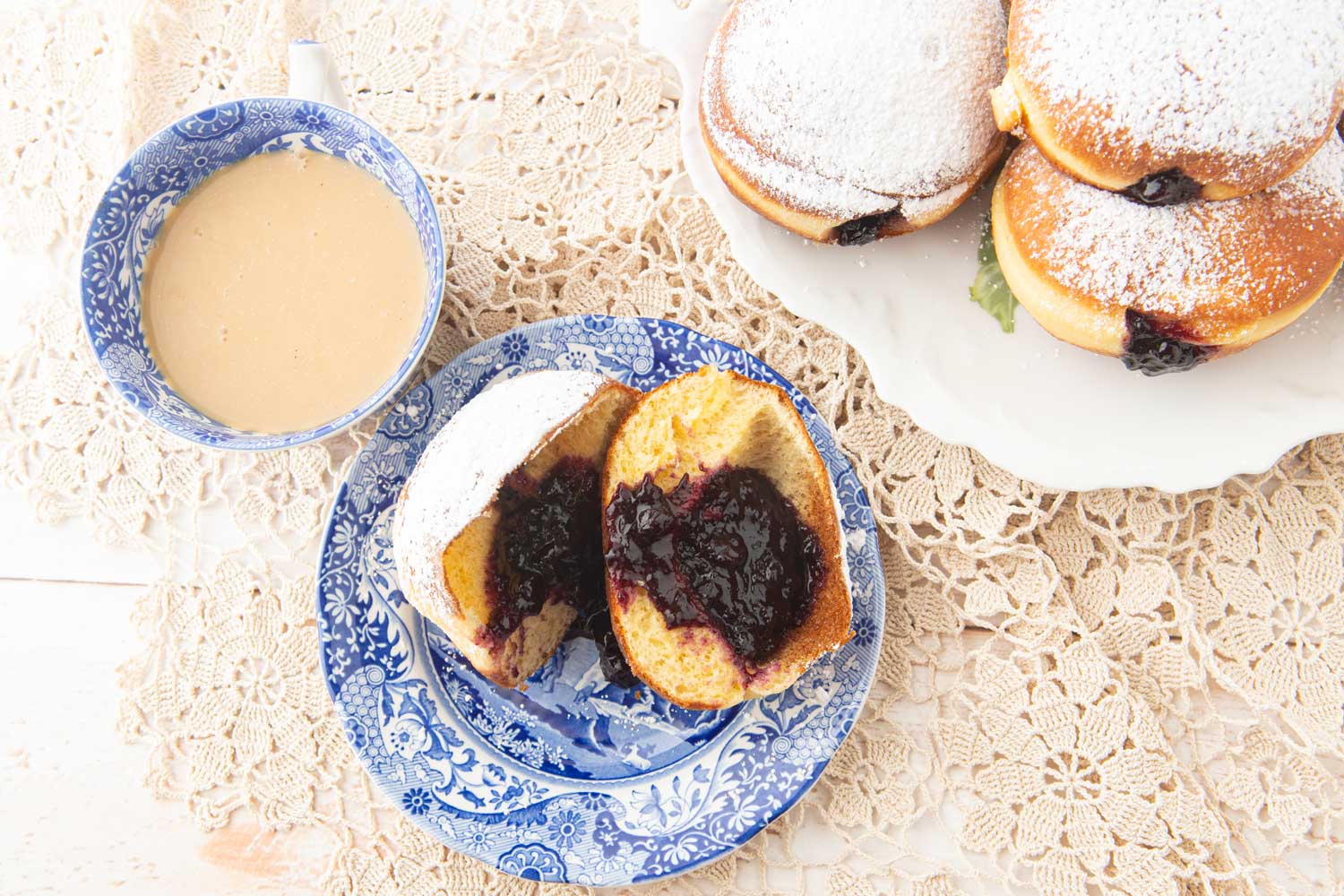
Pączki are eaten before the season of Lent, traditionally on Fat Thursday (Tłusty Czwartek [Twoo-stee Chvar-tek]) in Poland and Fat Tuesday (Mardi Gras) in the US. Both days occur the week before Ash Wednesday when the 40 days of fasting time for Lent before Easter begins. Historically in the days before refrigeration Pączki were made in a very practical effort to remove all the rich things like eggs, butter, and the lard used to fry the Pączki out of the house.
The idea of not eating rich foods during Lent is that the time leading up to Easter is meant to be a time of reflection and sacrifice. Abstaining from rich foods during Lent was meant to keep people focused on the way to the Cross and the Resurrection and to look forward to feasting again on Easter itself.
While people today may not fast in such an extreme way during Lent, the tradition of eating Pączki on Fat Thursday/Fat Tuesday remains. Pączki Day is a happy celebration where people are taking out time to spend together telling stories, eating Pączki. Not unlike my family’s tradition of Apple Fritters, that’s time well spent!
How Are Pączki Different Than Standard Donuts?
Pączki
- High proof alcohol added to the dough
- No hole in the middle
- Pale ring around the center, indicating a well-made paczek.
- Leavened with yeast
- Rich dough with lots of egg yolks, butter, and milk
- Chewy, spongy texture that’s denser than a standard donut so as to support and contrast with the filling
- Additional aromatic flavors in the dough like lemon zest and vanilla.
- Filled with jam or custard fillings
- Covered in powdered sugar or rolled in granulated sugar
Standard Donuts
- No alcohol in the dough
- Hole in the middle
- Uniformly brown when fried on the outside
- May be leavened with yeast or baking powder
- Dough made with moderate amount of whole eggs, butter, and milk
- Light and fluffy, less chewy
- Unfilled, but often dipped in glaze
- Covered in powdered sugar or rolled in granulated sugar if a glaze is not used.

Why Do Pączki Have Alcohol In the Dough?
- Tenderness: the presence of alcohol in a dough or batter inhibits gluten formation when that dough/batter is fried. When you fry that donut, it will be less bready and more cake-like than a donut without alcohol.
- Crispness/lightness: Because alcohol evaporates more quickly than water, alcohol in a dough or batter will lead to a more quickly dehydrated or crisp outside of the donut being fried. Alcohol in a dough will also help the donuts from absorbing too much oil. Without the alcohol, fried goods can be kind of stodgy.
- Flavor: There are water soluble, fat soluble, and alcohol soluble flavors. By adding alcohol to a a dough, you unlock those alcohol soluble flavors, making a richer, more tasty treat.
What Fillings Can You Use for Pączki?

Traditional fillings include rose hip jam , plum jam, apricot jam , and vanilla pastry cream.
Beyond that, any jam or custard is a good choice for filling a pączek (singular of pączki).
- Strawberry jam
- Blueberry jam
- Raspberry jam
- Apple butter
- Pear butter
- Homemade nutella
- Chocolate pastry cream
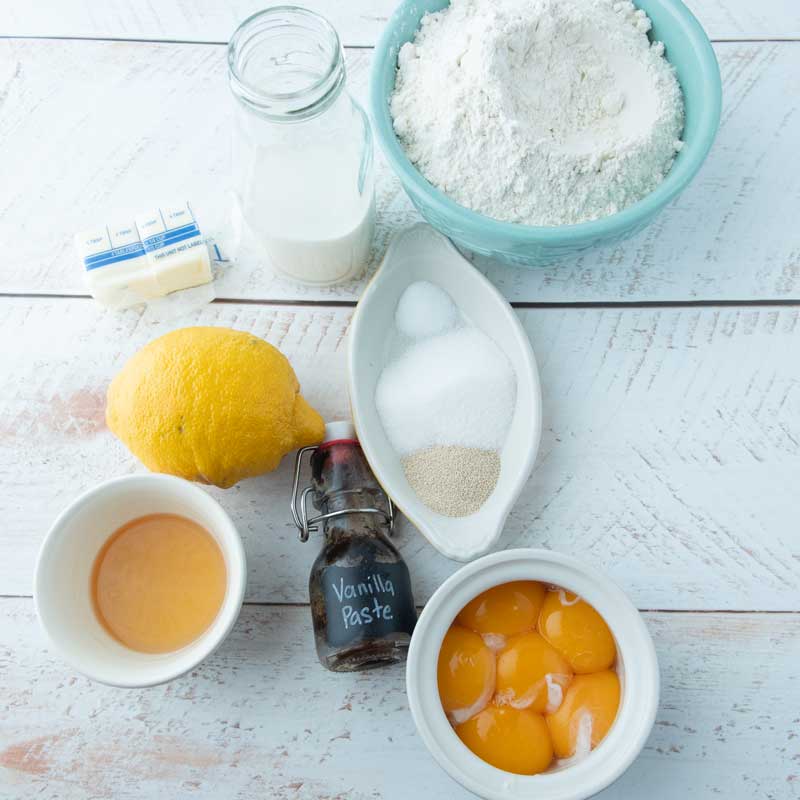
Ingredients for Pączki
Pączki Dough
- Butter
- Whole milk
- Instant yeast
- Granulated sugar
- Egg yolks: make for more tender Paczki than whole eggs
- Rum: You can use traditional Polish vodka or a high proof spiced rum.
- Lemon zest
- Vanilla paste
- All-purpose flour
- Salt
Filling
Frying and Finishing
- Lard (how to render lard) or a high smoke point oil like canola or vegetable
- Powdered sugar or granulated sugar for serving
Equipment Needed
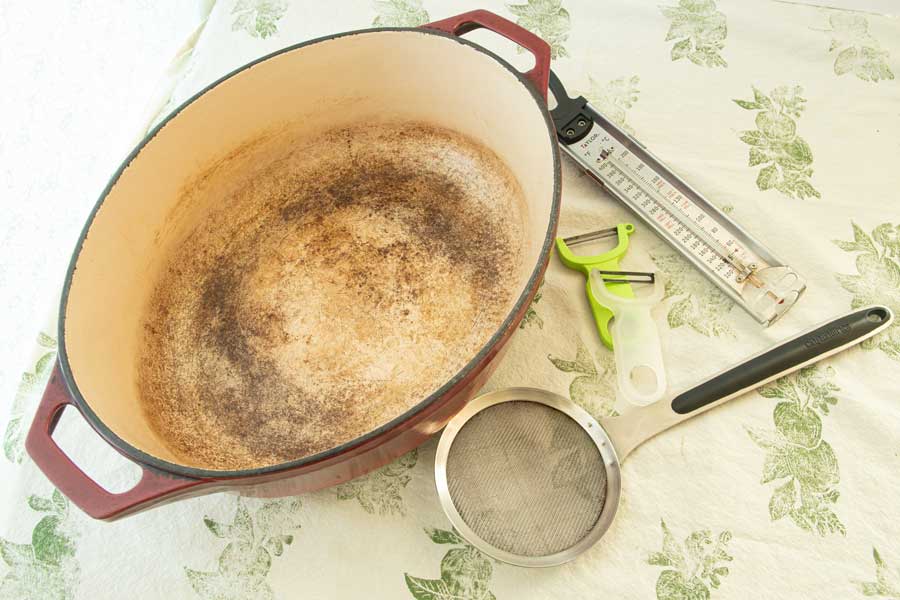
- 3″ round biscuit cutter: you can make slightly smaller donuts, but I would not make bigger ones.
- Rolling pin
- 4 quart pot: a heavy pot is always better. 4 quarts is an ideal size.
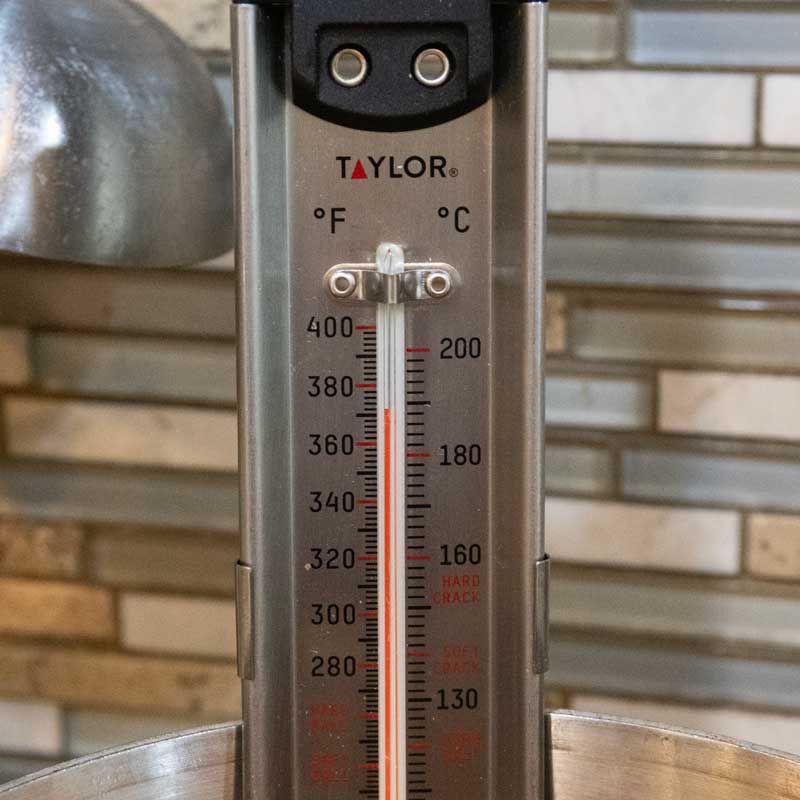
- Candy thermometer : you’ll get the best fritters if you’re constantly monitoring the heat. Clip this to the back of your pot.
- Paper towels: You’ll want to have a lot to absorb extra oil from the hot fritters.
- Mesh spider : for turning over the donuts in the fat and removing them from the pot.
- 2 sheet pans: one for the second rise of the paczki, one for draining.
- Parchment : to line the sheet pan used for the second rising of the dough.
Why I Will Always Fry My Paczki In Lard
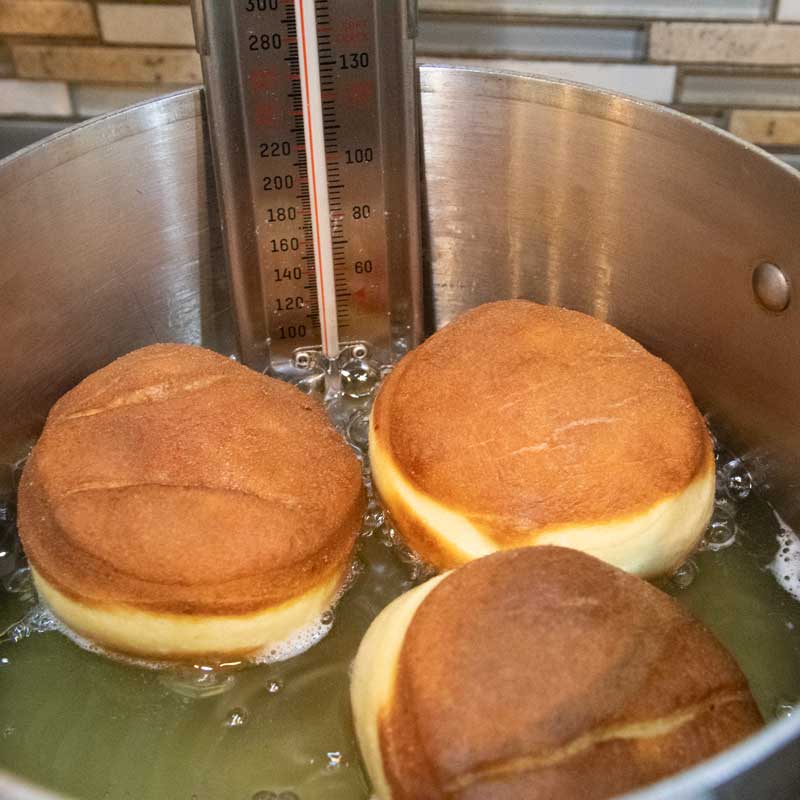
Just going on the principle of “If it grows there, it goes there,” lard has been used since forever to fry Paczki. In the 20th century diet culture and industrialization made people scared of animal fats. Thankfully, people are coming back to traditional wisdom and realizing that animal fats, particularly if eaten moderately are not as bad as they were made out to be.
On a personal note, I feel much better physically after eating a fried good fried in lard vs. canola oil. After eating an apple fritter fried in canola, I inevitably feel groggy, have a stomach ache, and weirdly want to eat another one. With lard, I can eat one, never get the same slumpy feeling and also not want to eat more. Better for you food is more satisfying. The only reason I would revert back to canola is for a student who had dietary restrictions, which I’ve accommodated before.
If you want more information on lard vs. oil, read my How to Render Lard article.
Process for Making Pączki
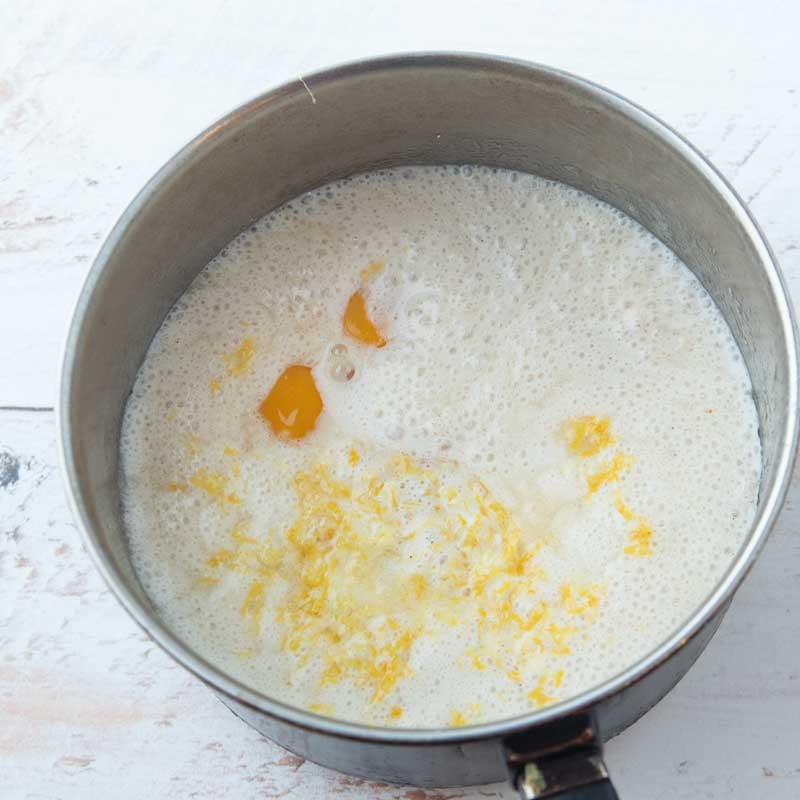
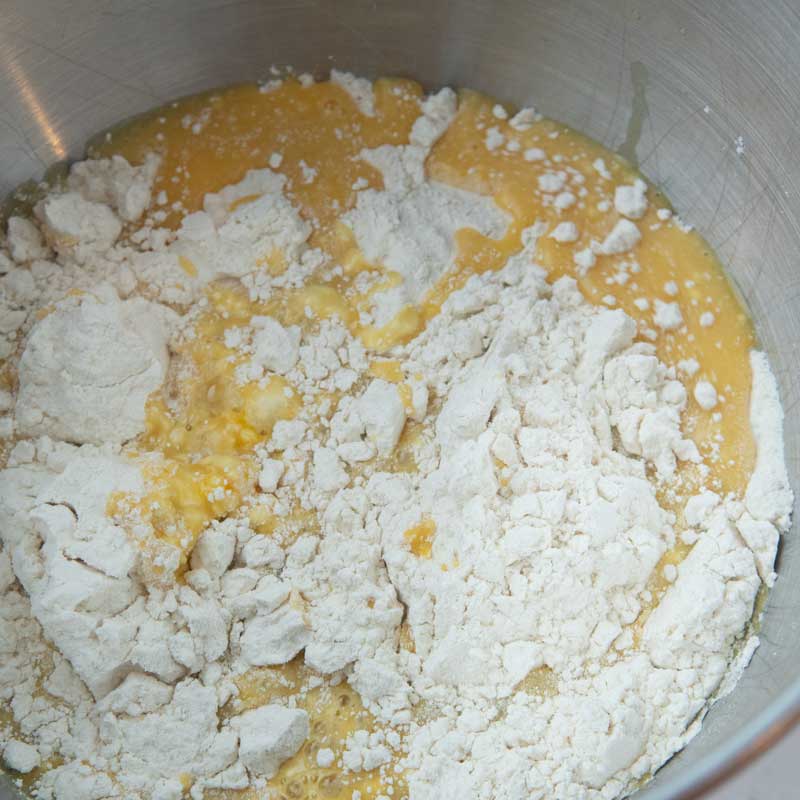
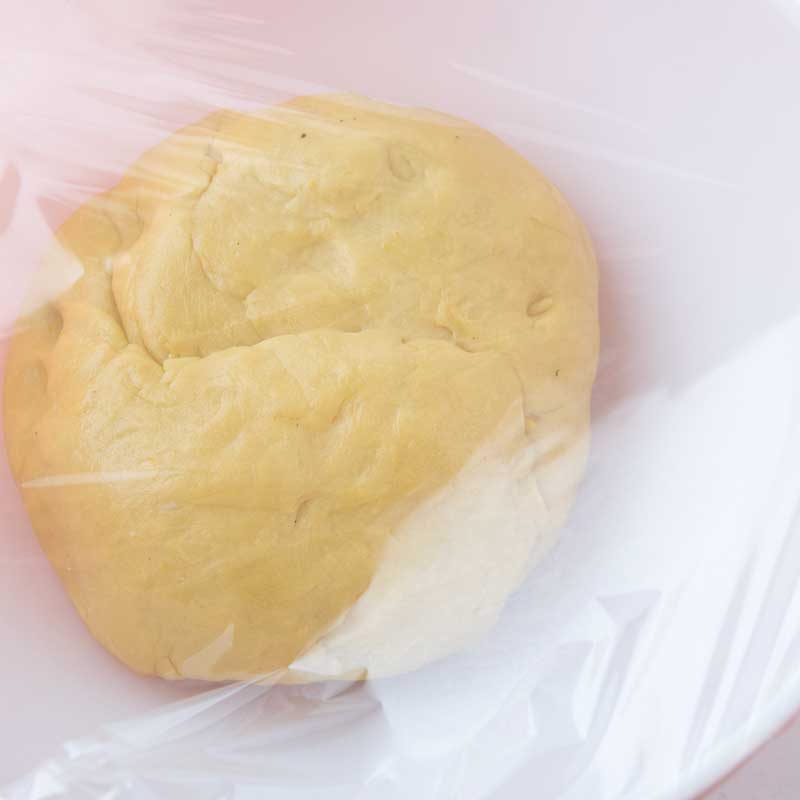
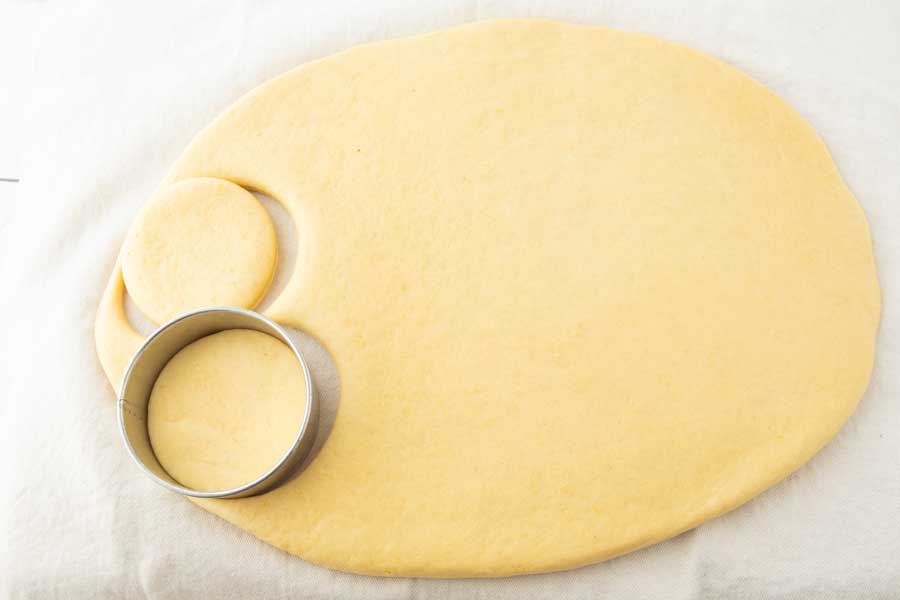
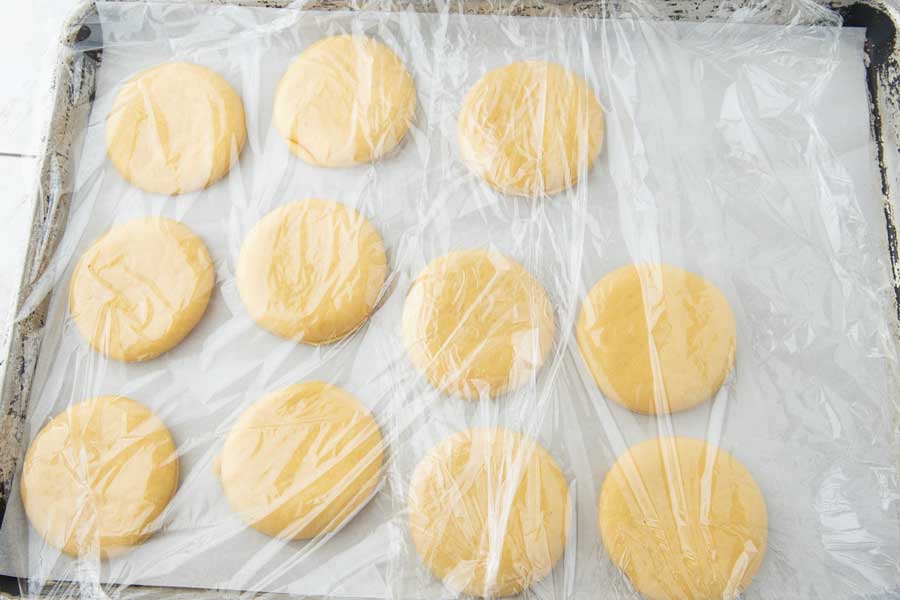
- Make the dough: Warm the milk and butter and then dissolve in the yeast and a pinch of sugar once the butter is melted. Add in the rum, lemon zest, vanilla paste, egg yolks and whisk. Add in the flour and salt. Knead the dough until smooth.
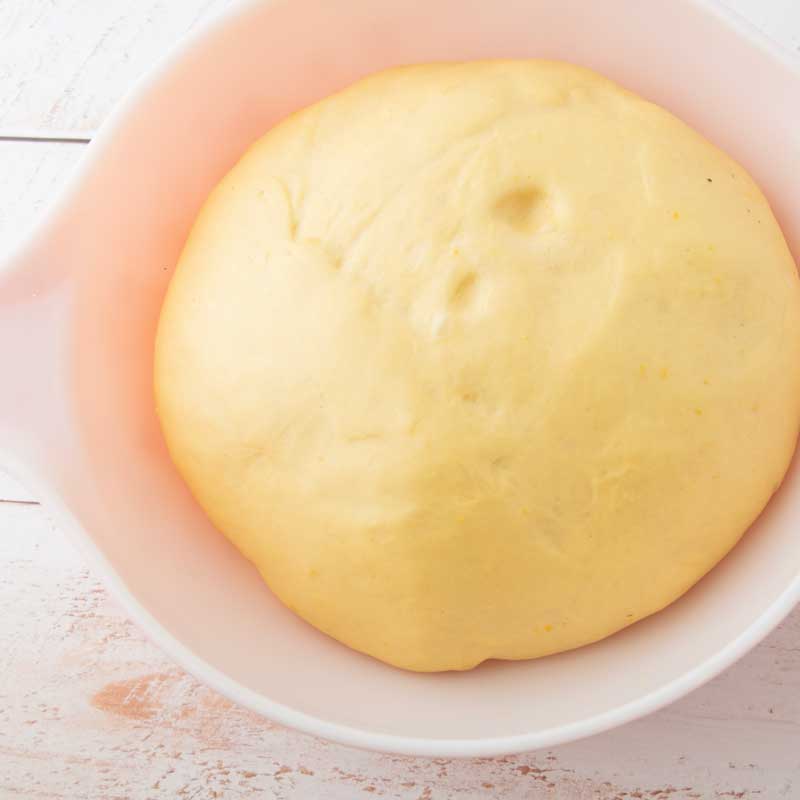
- First rise: Place the dough in a greased bowl. Cover the smooth dough and let rise for 90 minutes to 2 hours.
- Roll: Lightly sprinkle a work surface with a little flour. Overturn the bowl with the dough close to the surface, letting the dough fall out without deflating it entirely. Roll the dough into a sheet about 1/3″ thick.
- Cut: Cut out rounds of dough with a 3″ biscuit cutter. Gently press the scraps together. Let the scraps sit before cutting more rounds of dough. Any scraps beyond that can be twisted and fried into unusual shapes.
- Second rise: Place the dough rounds on a parchment lined sheet pan. Cover with plastic wrap. Allow to sit for a full 30 minutes. This is a critical step because if they sit for less time, they will not have enough air in them to inflate while they fry.
- Fry: Clip the candy thermometer to the back side of the pot, making sure that the bottom does not touch the bottom of the pot. Melt the lard and bring it up to 370 F (188 C). Gently place no more than 3 paczki in the pot at a time. Fry for 4 minutes, turning them over halfway through cooking.
- Fill: Fish out the finished paczki from the fat and place on paper towels to drain. Let them cool briefly, and then make a small hole in the side of each donut with the tip of a knife. Fill a pastry bag fitted with a plain tip and fill with your chosen filling.
- Sprinkle or roll: Dust the tops of your paczki with a generous amount of powdered sugar or roll them in a bowl of granulated sugar.
Tips for Making the Best Paczki
- Give them time to rise: Paczki are yeasted donuts, and they need time for the dough to rise. If they are under-proofed, they will be heavy and won’t inflate properly when they hit the hot oil. Giving them a full 30 minutes before frying will give the yeast a chance to work so that they paczki sit like little floating balloons on top the oil which will give them the characteristic pale ring.
- Monitor the oil temperature: I’ve made many batches of paczki fried at 350 F, and 370 F makes for superior donuts. Watch your candy thermometer during cooking: If your oil rises too high or low between or during batches, take the pot off the heat (too hot) or raise the temperature (too cool) to get it back to that ideal 370 F range.
- Don’t skip the alcohol: If you’re unsure about alcohol in the dough, the alcohol will evaporate long before the paczki are finished frying. More importantly it is there as part of a strategy to help you get light, buoyant donuts, so don’t neglect putting it in there!
- Eat these with friends: Paczki are a celebration in and of themselves. Eat them with family or good friends with plenty of coffee and lots of good stories.
Troubleshooting and FAQ
Likely your oil was too hot. I would not attempt this recipe without a candy thermometer as it’s too difficult to tell exactly how hot your oil is otherwise. Clip on the thermometer to the back of the pot and make sure it’s at 370 F before you fry the next batch.
Your paczki probably need more time to rise before frying them. Hold off on frying another batch until the cut rounds have sat for 30 minutes. This should give the dough time to develop enough air to inflate when they hit the 370 F degree oil.
Absolutely not. A good jar of jam is all you need for a good filling if you don’t have time or ingredients to make a batch of pastry cream?
The best answer is meringue. Also search for “egg whites” in the search bar for other recipes that use egg whites.
Like all fried goods, paczki are best right when they’re made. That being said, there is enough fat in the dough for the paczki to still taste good for about 3 days. Store leftover paczki in the fridge (you MUST store pastry cream filled donuts in the fridge for food safety reasons). You can eat the custard filled paczki cold and warm up jam-filled paczki in a toaster oven at 350 for about 5 minutes.
Absolutely. They will taste more like a sweet bun, but in some ways that’s nice. You’ll definitely taste some more of the subtleties of the flavors of rum, egg, vanilla, and lemon in the dough, which will bake up into something like a brioche bun. Check the recipe for baking directions.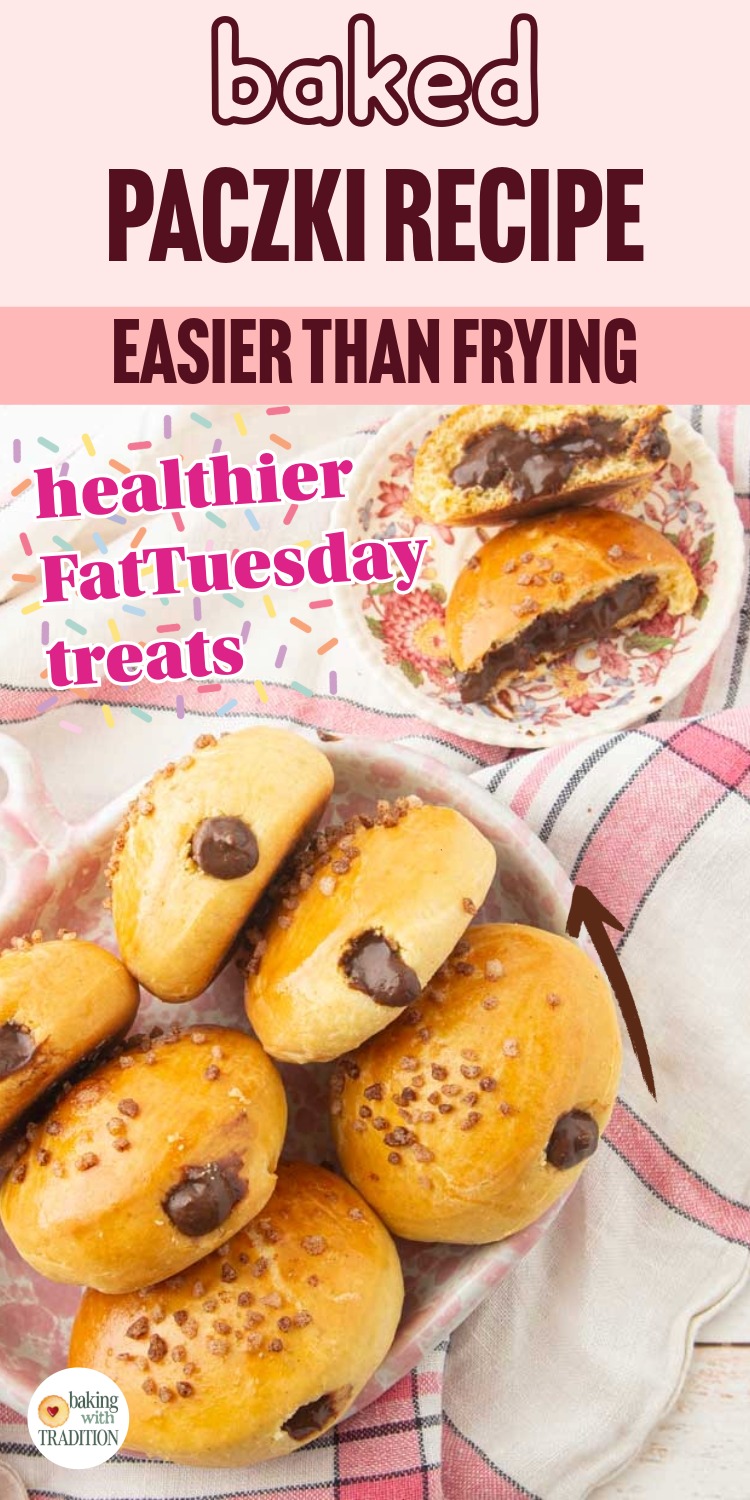

Paczki
- Total Time: about 3 hours
- Yield: 14 paczki 1x
Description
Paczki are the jam or custard filled Polish donuts, eaten before the week before Lent on Tłusty Czwartek (Fat Thursday). They are a symphony of texture and flavors and oozing with richness. Eating them on this day in Poland is a celebrated tradition, and after one bite, it’s easy to see why they’re so beloved.
Ingredients
Paczki
- 1/4 cup butter (57 g)
- 3/4 cup whole milk (177 mL)
- 2 teaspoons instant yeast
- 1/4 cup granulated sugar (50 g)
- 6 large egg yolks
- 2 Tablespoons rum (30 mL)
- 2 teaspoons grated lemon zest
- 1/2 teaspoon vanilla paste
- 3 and 1/2 cups all-purpose flour (455 g)
- 3/4 teaspoon salt
- 1 quart lard or oil for frying
- 3/4 cup any flavor jam or pastry cream for filling
- Powdered sugar or granulated sugar for finishing
Equipment
- 3” round cutter
- Rolling pin
- 4 quart pot
- Candy thermometer
- Mesh spider
Instructions
Make the dough
- Melt the butter in a small pan over low heat. Add in the milk. Heat the milk for a few more seconds until it is just barely warm to the touch.
- Dissolve in the yeast and a pinch of sugar once the butter. Let the yeast sit for a couple minutes until you see some foamy bubbles.

- Add in the rum, lemon zest, vanilla paste, egg yolks and whisk.
- Pour the yeast/milk mixture into mixer bowl. Add in the flour and salt. Knead the dough until smooth either by hand or with a dough hook for about 5 minutes in a stand mixer.


First rise
- Place the dough in a greased bowl. Cover the smooth dough and let rise for 90 minutes to 2 hours. It will be ready when it’s light and puffy and visibly doubled.

Roll and cut the paczki
- Lightly sprinkle a work surface with a little flour. Overturn the bowl with the dough close to the surface, letting the dough fall out without deflating it entirely. Roll the dough into a sheet about 1/3″ thick.

- Cut out rounds of dough with a 3″ biscuit cutter. Gently press the scraps together. Let the scraps sit before cutting more rounds of dough. Any scraps beyond that can be twisted and fried into unusual shapes.

Second rise
- Place the dough rounds on a parchment lined sheet pan. Cover with plastic wrap. Allow to sit for a full 30 minutes. This is a critical step because if they sit for less time, they will not have enough air in them to inflate while they fry.

Fry the paczki
- Clip the candy thermometer to the back side of the pot, making sure that the bottom does not touch the bottom of the pot. Melt the lard and bring it up to 370 F (188 C).
- Gently place no more than 3 paczki in the pot at a time. Fry for 4 minutes, turning them over halfway through cooking.
 Melt the lard and bring it up to 370 F (188 C).
Finish the paczki
- Fish out the finished paczki from the fat with your mesh spider and place on paper towels to drain. Let them cool briefly, and then make a small hole in the side of each donut with the tip of a knife. Fill a pastry bag fitted with a plain tip and fill with your chosen filling.
- Dust the tops of your paczki with a generous amount of powdered sugar or roll them in a bowl of granulated sugar.
- Paczki are best eaten fresh from the oil, but custard filled paczki will keep in the fridge for up to 3 days. Jam filled paczki can be kept at room temperature for up to 3 days. In both cases, keep paczki in an airtight container. You can warm leftover jam-filled paczki in a toaster oven at 350 F for about 5 minutes.



Notes
Nutrition information: Because it’s difficult to determine how much fat the paczki absorb during frying, the nutrition data has been calculated without it. Note that frying in lard will up the saturated fat content and cholesterol.
Baked Paczki: It’s possible to bake paczki, though they won’t be quite the same. They will still taste lovely, more like a sweet rich brioche bun but with complex floral flavors. Place them close together on the parchment lined sheet you use for the second rising, and then bake at 350 F for 15-20 minutes. Brush them with melted butter and fill before enjoying! Baked Paczki taste particularly delicious filled with chocolate pastry cream. 
- Prep Time: 20 minutes
- + 2 hours 30 minutes rising time:
- Cook Time: 20 minutes
- Category: Donuts
- Method: Stovetop
- Cuisine: Polish
Nutrition
- Serving Size: 1 Paczki
- Calories: 262
- Sugar: 15
- Sodium: 167
- Fat: 6
- Saturated Fat: 3
- Unsaturated Fat: 3
- Trans Fat: 0
- Carbohydrates: 45
- Fiber: 2
- Protein: 6
- Cholesterol: 89
More donut recipes to make
-
Buttermilk Strawberry Donuts: Gorgeous Pink Breakfast Treat
With chunks of strawberries in a tender buttermilk donut flavored with cardamom, these strawberry donuts…
-
Lemon Blueberry Donuts: Like Blueberry Muffins With More Fun
Baked lemon blueberry donuts are the easy to bake blueberry muffin alternative that’s way less…
-
Mini Blueberry Donuts: Adorable Breakfast Fun
These mini blueberry donuts filled with blueberry chunks and dipped in fresh blueberry glaze are…