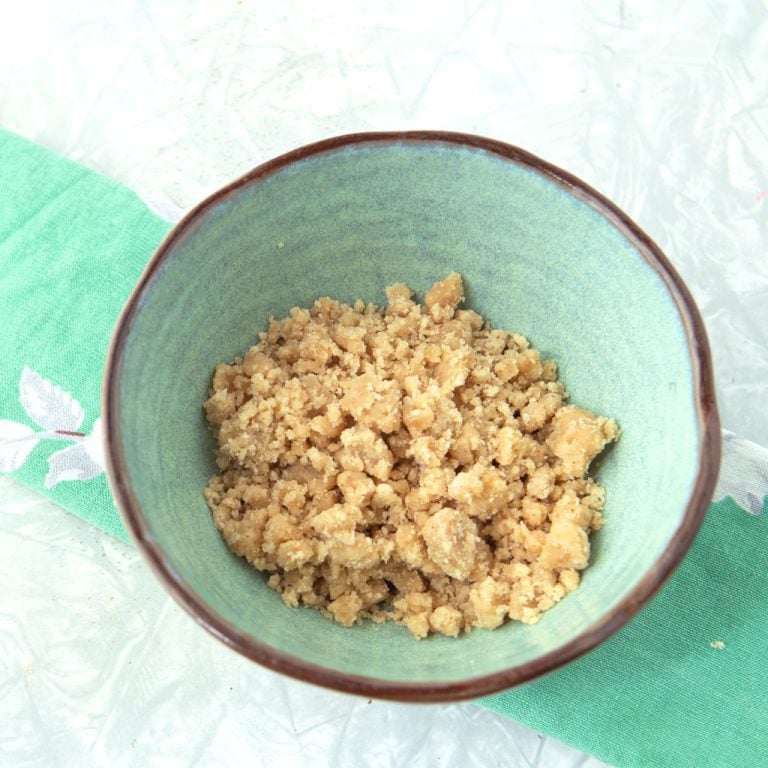
Ermine Frosting: The Old-Fashioned Frosting with Less Sugar
Ermine frosting is the less sweet, silky frosting you’ve been missing. This vintage frosting recipe uses a cooked sugar, flour, and milk roux to thicken and stabilize the frosting, making it perfect for decorating. Because it’s so pipeable, I love it for Oatmeal Cream Pies or as a topping for my Easy Vanilla Cake.
| Taste | Texture | ||
| Vanilla, buttery | Silky, fluffy, delicate |
| Active time | Total time | Yield | Difficulty |
| 10 minutes | 30 minutes | Frosting for a 9×13 cake | Easy |

What is Ermine Frosting?
Ermine Frosting is a cooked flour frosting that is the buttercream family of frostings and icings. It gets its name from the fur of the ermine, a small weasel prized for its fur, which was used to line fine garments for royalty. The association makes sense given ermine frostings bright white color and velvety texture.
To make it, a small amount of flour is cooked with a relatively small amount of granulated sugar in milk until it thickens like a pudding.
After the pudding base is cooled down to room temperature, the pudding gets whipped with room temperature butter until it becomes a silky frosting that’s excellent for decorating cakes with a smooth finish.
Where Did Ermine Frosting Originate?
Ermine frosting is from Victorian times when powdered sugar was less available and more expensive than granulated sugar. In this era, cooked or boiled frosting was very common for decorating cakes.
Ermine frosting was the frosting of choice for finishing the original Red Velvet Cake in the early to mid 1900s. The bright white of ermine makes a great contrast to traditional red velvet cake (without the dye) and modern red velvet (with the dye).
It’s easy to see why cooked frosting was popular in this time: you don’t really need fancy equipment to make a nicely textured frosting unlike Swiss Meringue Buttercream, Italian Buttercream, or French Buttercream, which all benefit from having high powdered stand mixers. A simple hand mixer is absolutely sufficient for making ermine frosting.
Why You Should Try This Old Fashioned Frosting
- Satiny Texture: This frosting makes decorating cakes really simple. It goes on smooth, and it tastes as smooth as it looks.
- Cheap!: This eggless frosting is very economical to make. In fact, it’s actually the cheapest homemade buttercream frosting to make since it only uses a small amount of sugar (vs. a whole lot of powdered sugar in American Buttercream), and no parts of eggs that you need for Swiss Meringue Buttercream, Italian Buttercream, German Buttercream, or French Buttercream.
- Not Too Sweet: If you do not appreciate the incredibly sweet taste of American buttercream, Ermine Buttercream strikes a happy balance. It’s more sweet than German Buttercream (my personal choice in most situations for flavor), but many degrees less sweet than American buttercream. This less sweet frosting taste means that the frosting’s flavor will never overwhelm whatever dessert you’re using the frosting for.
- Relatively Easy: Ermine is the easiest of the cooked frostings. It’s quick to make and it is not hard to troubleshoot.
What Does Ermine Frosting Taste Like?
- Fluffy, velvety: This frosting is very light with no trace of grittiness since the sugar melts into the roux during the cooking. It actually tastes quite delicate.
- Less sweet: This is not a toothachingly sweet frosting. It’s pretty neutral in flavor, which makes for a good accompaniment to the cake you add it to. Let that cake sing by itself!
- Not at all starchy: I personally do not love the taste and texture of American buttercream as I can always taste the small bit of uncooked starch that is in the powdered sugar. Because the starch in the flour is cooked, you only taste smoothness from the ermine icing that will easily dissolve on your tongue, likely long before you realized you ate ALL the frosting.
When Would You Choose Ermine Frosting Over Other Buttercreams?
- When you need an eggless frosting: If you have someone in your family with egg sensitivities, ermine frosting is a safe choice.
- When your pantry is bare: This is a great pantry recipe. I know I don’t always have cream or chocolate on hand to make Thick Ganache or Whipped Cream Frosting, but I always have flour and sugar.
- You need to save on eggs: Egg prices are always fluctuating, sometimes to bananas prices. As much as I love German buttercream, it doesn’t always make economic sense to use that many egg yolks.
- You’re tired of frostings that taste only like sugar: When I eat cake or a frosted cookie, I want to taste the main dessert, not only the frosting.
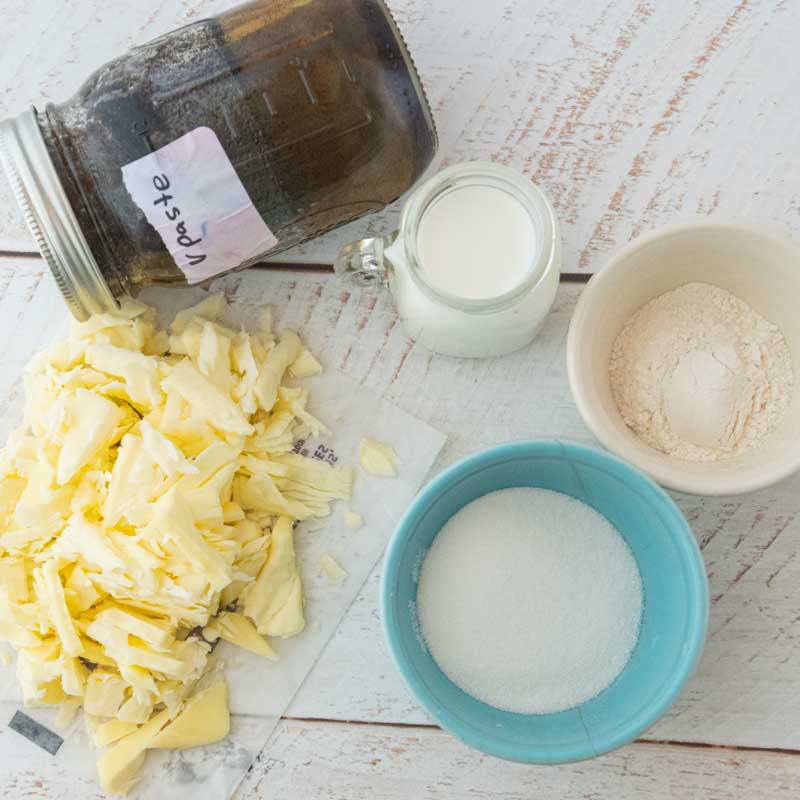
Ingredients for Ermine Frosting Recipe
- Granulated sugar
- All-purpose flour
- Whole Milk: You can use 2% or non-dairy milk, but whole milk will give you the best flavor.
- Butter, at room temperature
- Vanilla Paste
- Cooking spray
- Violet food coloring (optional for pure white frosting)
Equipment
- Whisk
- Pot or skillet
- Hand mixer or stand mixer
- Pie plate
How to Make Ermine Frosting
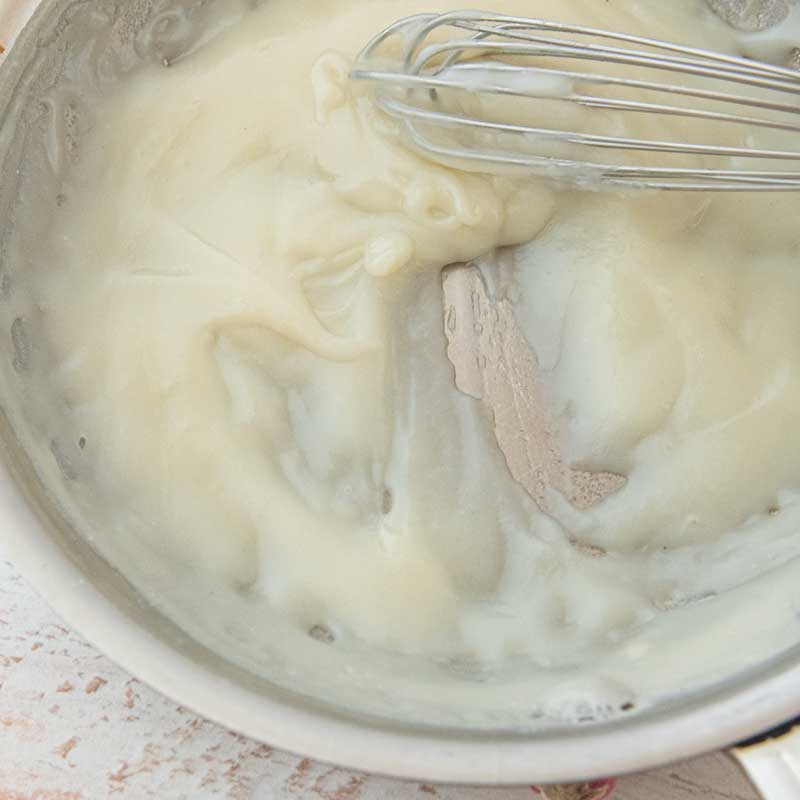
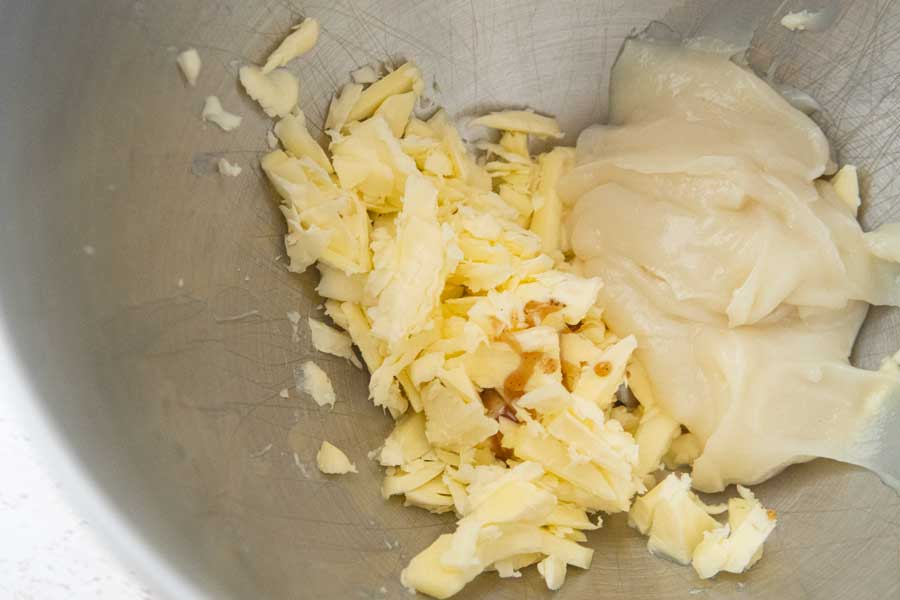
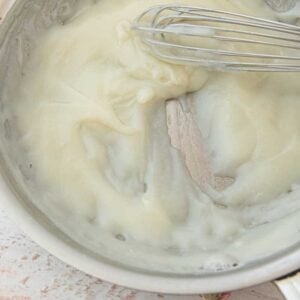
- Make the Roux: Mix flour and granulated sugar together in a wide skillet. Add in the milk and whisk everything together over medium-low heat until the roux starts to thicken. When the flour starts to pull away from the bottom of the skillet, it is thick enough. The roux should be glossy and slightly translucent.
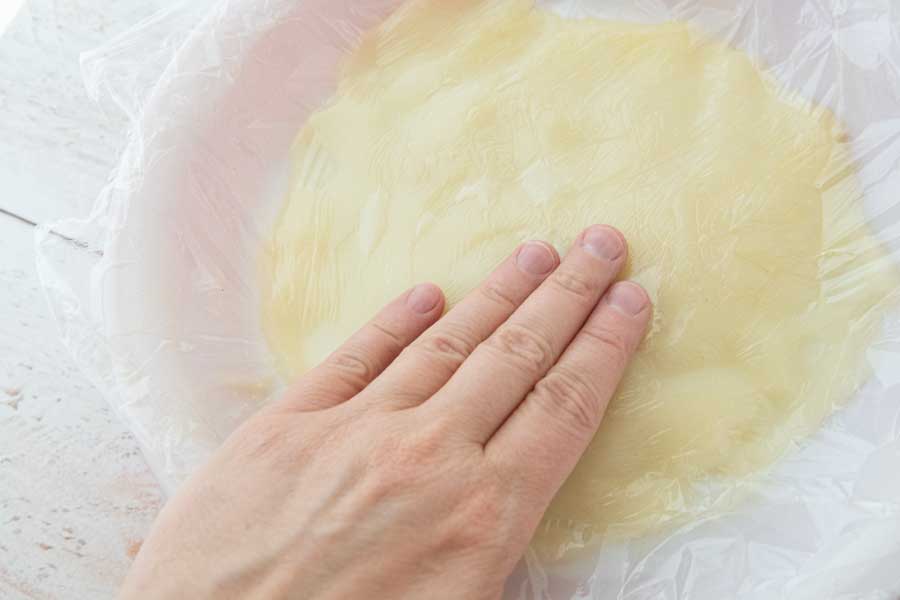
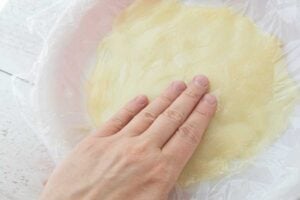
- Cool the Pudding: Scrape the roux into a pie plate , smoothing it into a thin layer. Spritz a piece of plastic wrap with cooking spray and place the plastic oiled side down right on the surface of the pudding. Put the pie plate in the refrigerator for about 20 minutes. When you can put your hand on top of the plastic and feel no warmth from the pudding, you’re ready to move on.
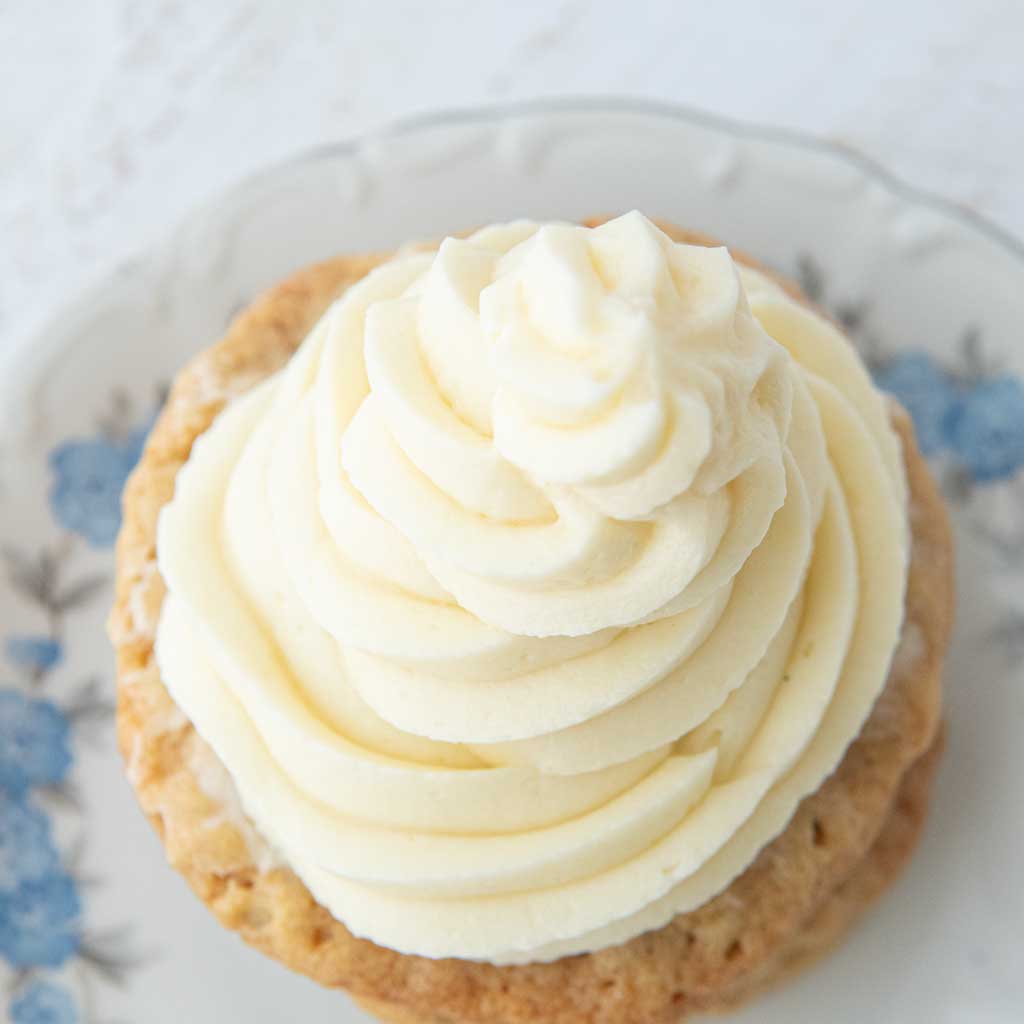
- Make the Buttercream: Beat the butter in a stand mixer with the paddle attachment or in a mixing bowl with a hand mixer. When the butter is soft and smooth, add in the cooled pudding a little bit at a time. Continue to beat the frosting for about 30 seconds to 1 minute after you’ve added in all of the pudding. Add the vanilla and beat for a few more seconds. The frosting should be light and fluffy but not too airy.
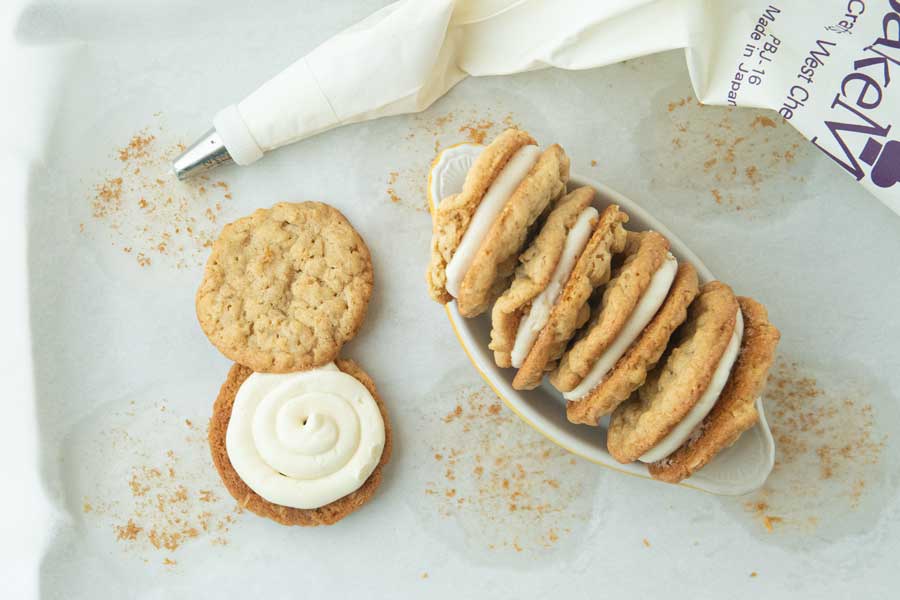
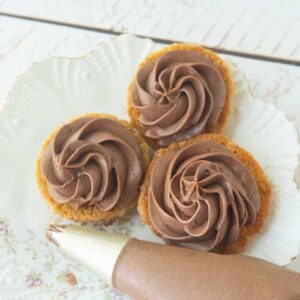
- Use It!: You can pipe the frosting into glorious swirls or smooth it onto a cake from here, or use it to fill cookies like Oatmeal Cream Pies or Soft Chocolate Sandwich Cookies.
How to Make Ermine Frosting Extra White
Sometimes you need a pure white color for decorating a cake. Although ermine frosting is naturally quite white in color, adding in a tiny tiny bit of violet food coloring can neutralize any yellow from your butter. I buy grass fed butter when I can, so my frostings are always a little more yellow than when I make them with Costco butter.
Simply by adding just enough violet food coloring on the tip of a toothpick, that yellow gets zapped and you get a nice bright white.
FAQ About Ermine Frosting
Can you freeze ermine frosting?
Yes! Scrape any leftover frosting into a plastic bag. Remove all of the air from the bag, and you can keep it in the freezer for up to 3 months. Simply defrost the frosting in the fridge overnight and rewhip it to bring back the fluffiness before using.
Can you make ermine frosting gluten free?
Absolutely. Use cornstarch or arrowroot starch in place of the flour. It will have a slightly different texture, but it will be just as lovely in flavor.
What kinds of recipes can you use Ermine Frosting in?
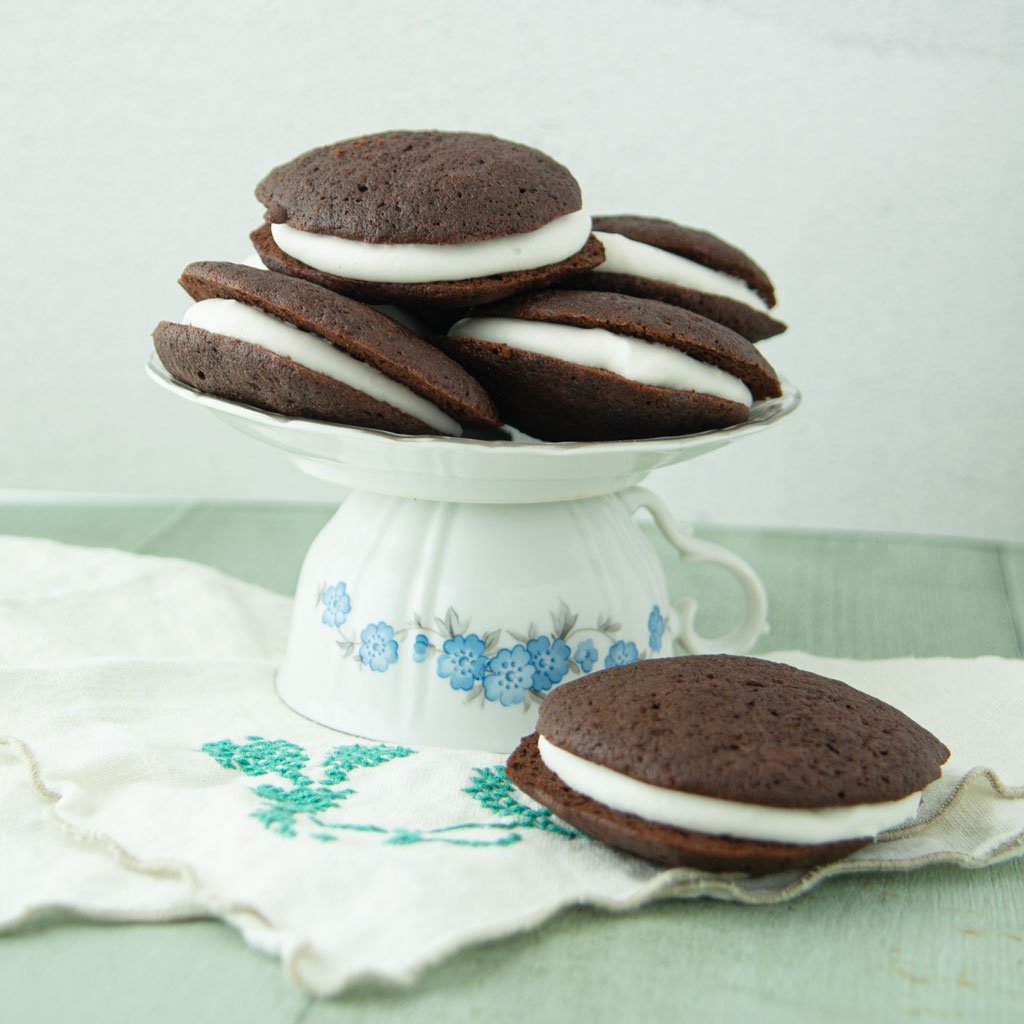
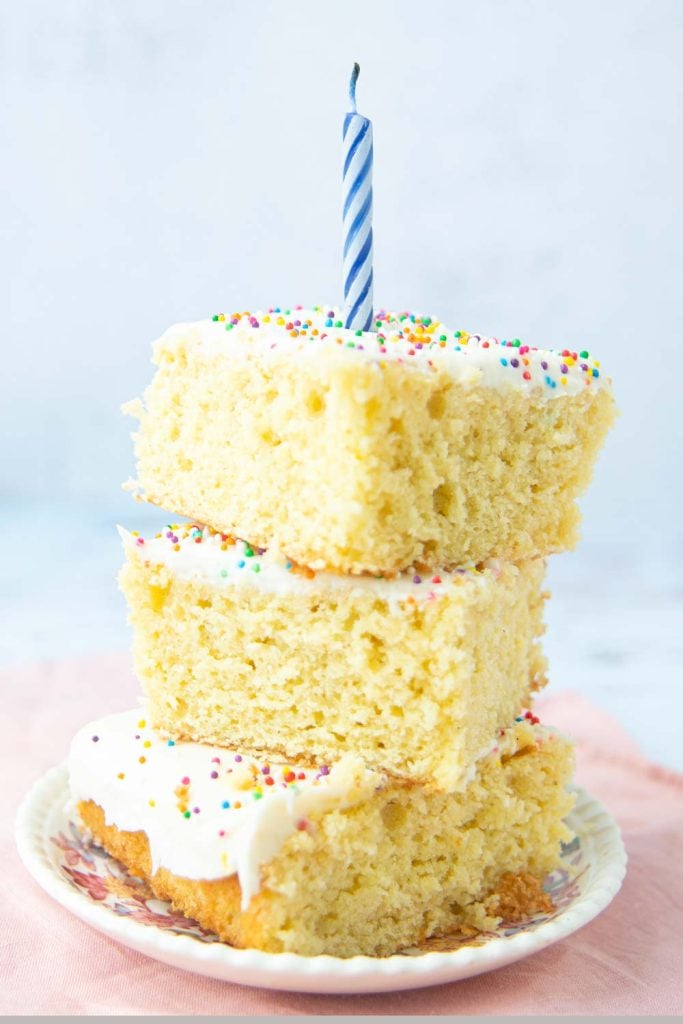

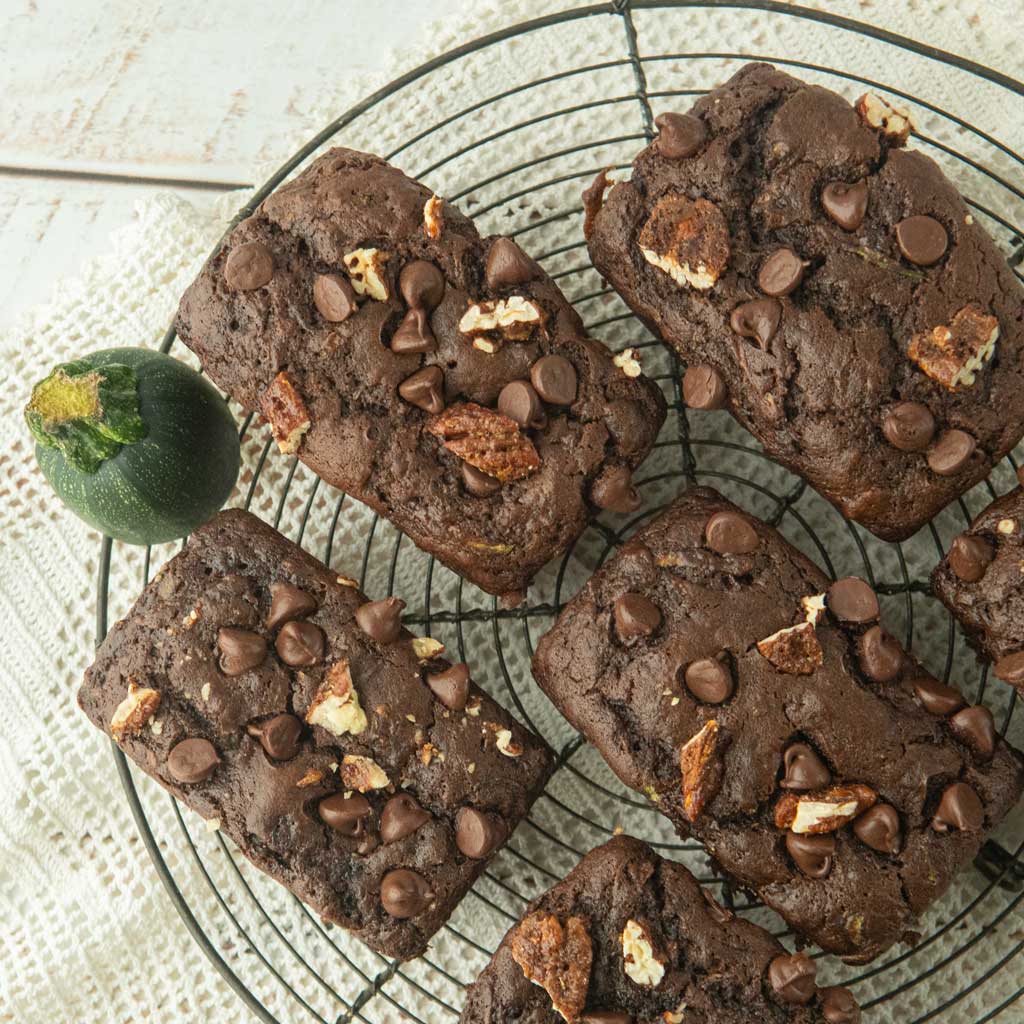
- Soft Chocolate Sandwich Cookies: Using ermine frosting in place of the whipped cream in this recipe will give you more of a classic Chocolate Whoopie Pie.
- Oatmeal Cream Pies
- Vanilla Sheet Cake: Baked either as a sheet cake or simple vanilla cupcakes, this frosting will level up this cake without overpowering it with sweetness.
- Chocolate Zucchini Bread: Bake the bread as a sheet cake and smooth it on top for an easy summer cake. You could also split the loaves and fill them with ermine frosting, which would be a nice fluffy addition to this wonderfully tender cakey bread.
Troubleshooting Ermine Frosting
All buttercreams have their pitfalls, but most of the problems with all buttercream frosting come down to temperature or air. All are fixable!
My Ermine Frosting Is Too Soft
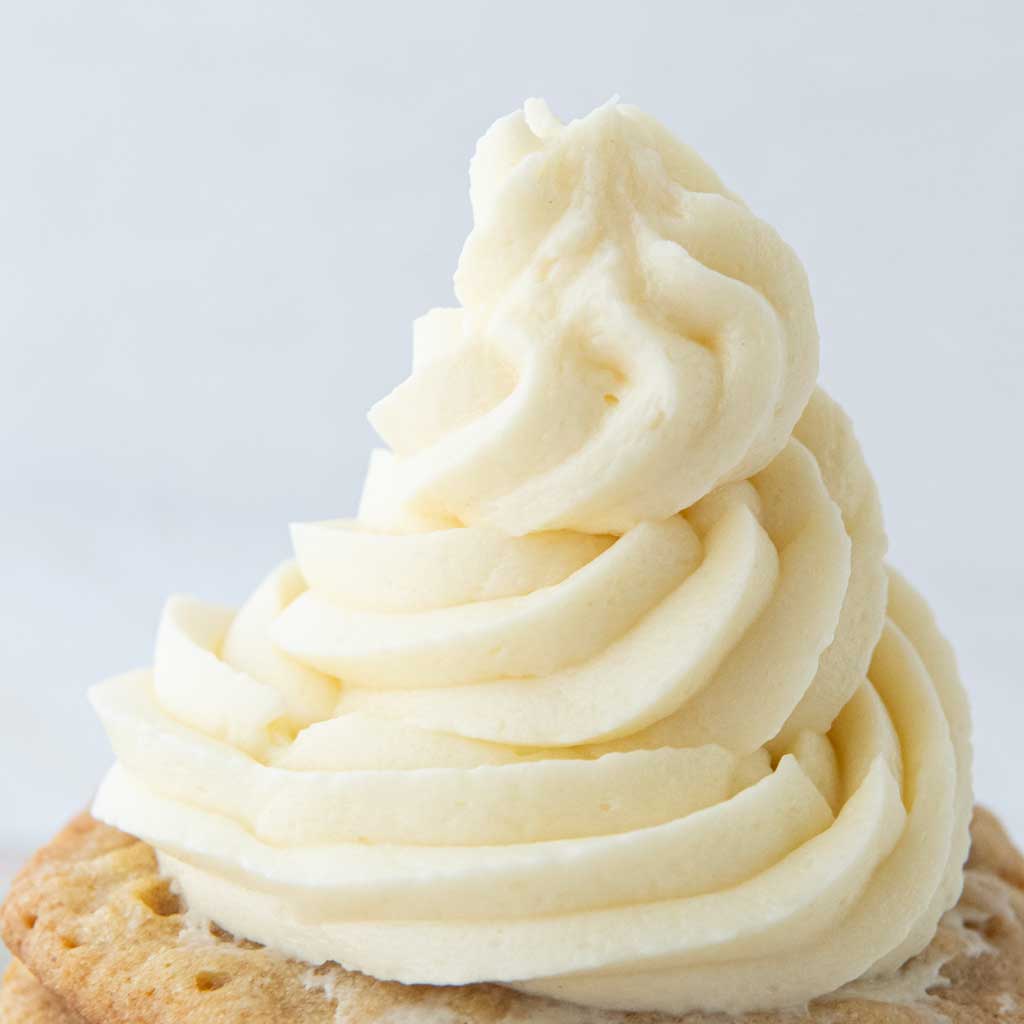
In summer this is a problem. You can see that my frosting here is a little too soft to hold the piping well. See how the top of the swirl looks a little melty?
This can happen because your pudding, butter, or both were too warm. Set the bowl in the fridge for about 10 minutes. Whip the frosting for about 10 seconds and evaluate the texture. You’re looking for a lofty smooth texture that holds its shape easily. If the frosting still seems droopy, pop it in the fridge for another 10 minutes and try again.
Eek! My Frosting Split On Me
If the frosting looks grainy or like it is not coming together at all, it’s likely that there was too much of a difference between the temperature of the butter and that of the pudding.
Ermine frosting is an emulsion kind of like salad dressing. If you’ve ever pulled out a homemade balsamic dressing from the fridge and been annoyed at how the cold olive oil won’t mix into the dressing, you already know what this problem looks like. For the oil and water to mix, they need similar temperatures and friction (the mixer!).
If the pudding was too warm, pop the bowl in the fridge for 5 minutes and try again after chilling. If the butter was too cold to start, just keep whipping. If will eventually come together.
When I Try to Pipe Ermine Frosting, It Looks Like it Has Holes in It
This can happen when you’ve beaten too much air into the frosting. You’ll know this will be the case because you can get blow-outs of air when you try to pipe the frosting. There are two ways to fix this:
- Press the frosting on the sides of the bowl gently with a baking spatula . You’ll see the little air bubbles go away after 10 or so strokes with your spatula.
- Scoop out 3-4 tablespoons of the frosting and melt it in a cup in the microwave. Turn your mixer back on and whip the melted frosting back into the frosting. If you need to chill it so that it holds its shape, do that, but this trick will make your buttercream ultra smooth.
Secret Tricks for Making the Best Ermine Frosting
- Use a Pie Plate: Cooling your pudding in a shallow dish is the fastest way to bring the pudding down to room temperature. The pie plate has the added advantage of cooling the pudding more evenly than a metal pan. The glass acts as an insulator, keeping the overall temperature more consistent. When you can’t feel any heat from the top or bottom, you’re good to go.
- Use a Skillet: You can make your roux in a small pot, but I really like a skillet. The skillet has the advantage of offering a wide surface area to whisk, so you’re less likely to get lumps than if you use a pot. Also, there’s less chance of the milk bubbling up and scorching in a skillet. If you do use a pot, use a flat whisk , which is so great for getting into the tight corners of pots while you whisk.
- Lazy Ermine Frosting!: I’ve made batches of ermine where you add all of the ingredients to whip everything all at the same time vs. adding the pudding to the butter over about a minute. While this way makes for very slightly less fluffy frosting, it makes perfectly fine frosting, which is great because there are always going to be days that you can’t be bothered to make things properly.

Ermine Frosting
- Total Time: 30 minutes
- Yield: enough frosting for a 9×13 cake or a batch of sandwich cookies
Description
The cooked roux in old-fashioned ermine frosting makes for a satiny smooth frosting that is stable enough to pipe and will smooth onto a cake without any difficulty. If you’re someone who doesn’t usually like frosting, this recipe is worth a go as it has much less sugar than typical buttercream frostings.
Ingredients
- 1 cup whole milk (236 mL)
- 3/4 cup granulated sugar (150 g)
- 4 tablespoons flour (33 g)
- 2 sticks butter, at room temperature (227 g)
- 1 teaspoon vanilla paste or vanilla extract
Instructions
Make the Roux
- Mix flour and granulated sugar together in a wide skillet.

- Add in the milk and whisk everything together over medium-low heat until the roux starts to thicken.
- When the flour starts to pull away from the bottom of the skillet, it is thick enough. The roux should be glossy and slightly translucent.
Cool the Pudding
- Scrape the roux into a pie plate, smoothing it into a thin layer.
- Spritz a piece of plastic wrap with cooking spray and place the plastic oiled side down right on the surface of the pudding. Put the pie plate in the refrigerator for about 20 minutes. When you can put your hand on top of the plastic and feel no warmth from the pudding, you’re ready to move on.

Finish the Ermine Buttercream Frosting
- Beat the butter in a stand mixer with the paddle attachment or in a mixing bowl with a hand mixer. When the butter is soft and smooth, add in the cooled pudding a little bit at a time over about 1-2 minutes. If you’re short on time, you can add all the pudding into the butter with the vanilla all at the same time (Lazy Ermine Frosting for the win!). You’ll lose a tiny bit of volume doing things this way, but it still works just fine.
- Continue to beat the frosting for about 30 seconds to 1 minute after you’ve added in all of the pudding. Add the vanilla and beat for a few more seconds. The frosting should be light and fluffy and able to hold its shape easily.
- If the frosting seems droopy at all, chill it for 10 minutes and beat it again for a few seconds. Your butter might have been too warm, so it’ll need a little bit of a chill to hold its shape.
- If the frosting looks grainy, the butter is likely too cold or the pudding too warm. When you started beating the butter, if it seemed stiff, keep beating; the friction of the mixer will warm it up enough for the buttercream to eventually come back together. If the butter looked at all melty in its graininess, pop it in the fridge for 10 minutes and try again with a few more seconds of beating.
- From here you can use the frosting as you would for any cake, cookie filling, or for cupcakes.



Notes
Even Less Sugar Ermine Frosting: You can cut down the sugar to 2/3 cup (133 g) without losing too much volume. I prefer this slightly less sweet frosting for filling cookies like Oatmeal Cream Pies or Soft Chocolate Sandwich Cookies.

Flavor Variations
- Prep Time: 5 minutes
- Cook Time: 5 minutes
- Category: Baking building blocks
- Method: Mixer, Stovetop
- Cuisine: American