
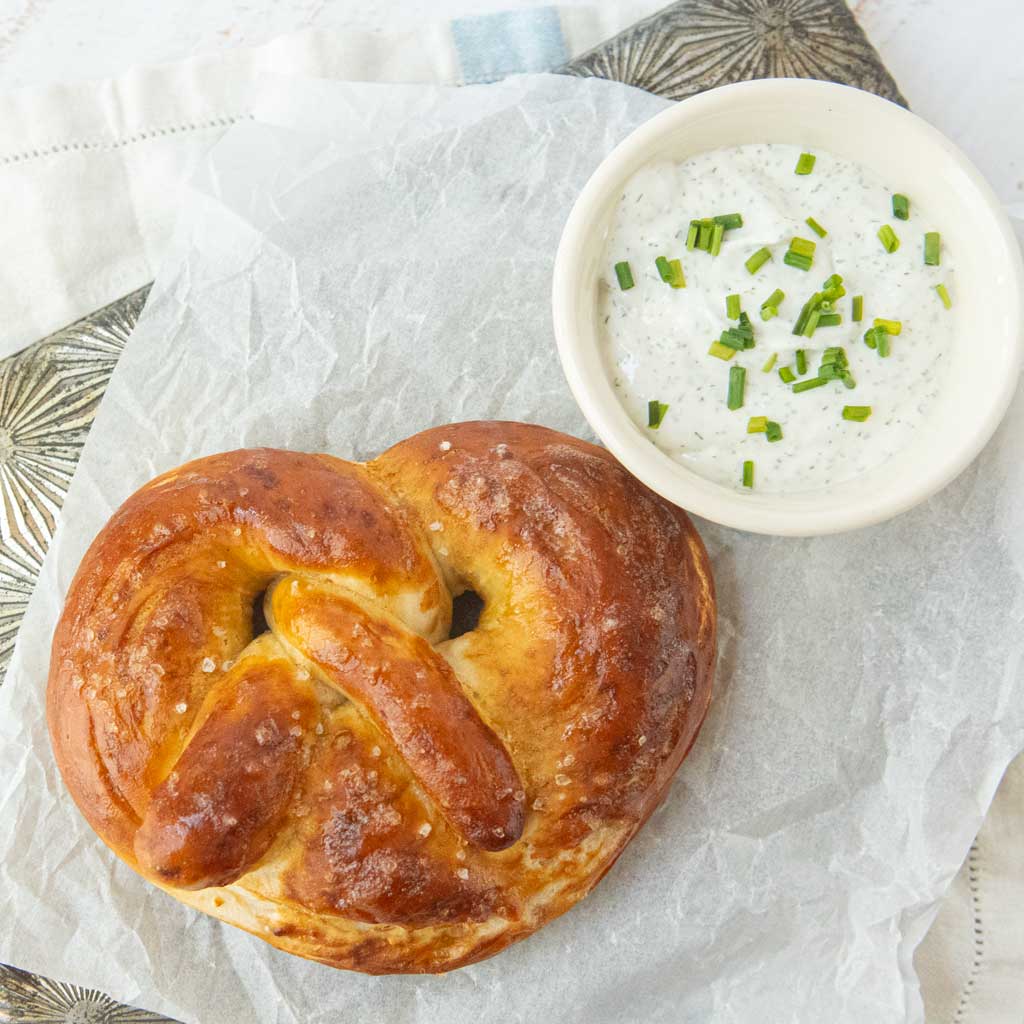
Homemade Soft Pretzels: Extra Soft and Safe
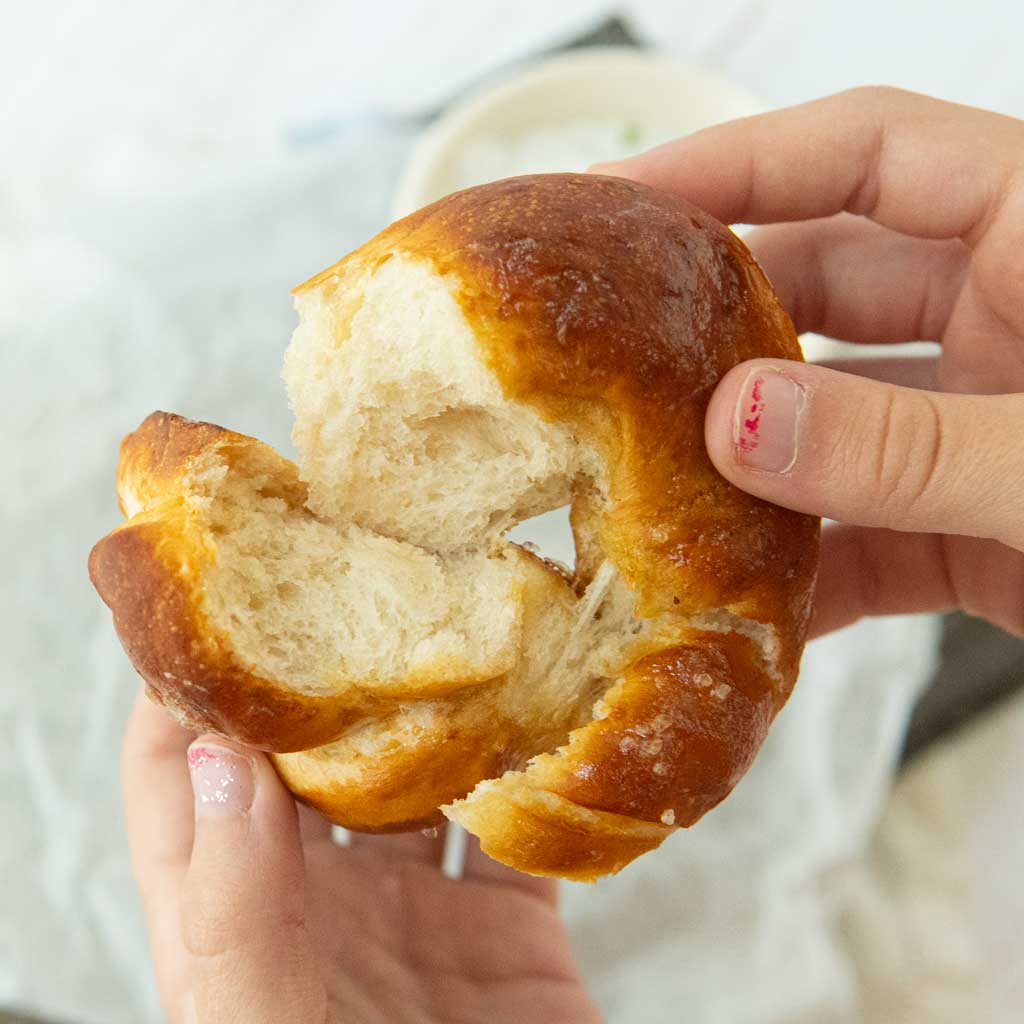
These homemade soft pretzels are gloriously soft with a burnished crust that doesn’t require any boiling water or lye. That these are an actual snap to make that leaves you with big soft pretzels that are just as good on their own as they are split with butter or as a base for a sandwich is all the better.
| Taste | Texture | ||
| Salty, yeasty, pretzel | Soft, chewy |
| Active time | Total time | Yield | Difficulty |
| 15 minutes | 2 hours | 8 large pretzels | Easy |

Why This Recipe Works
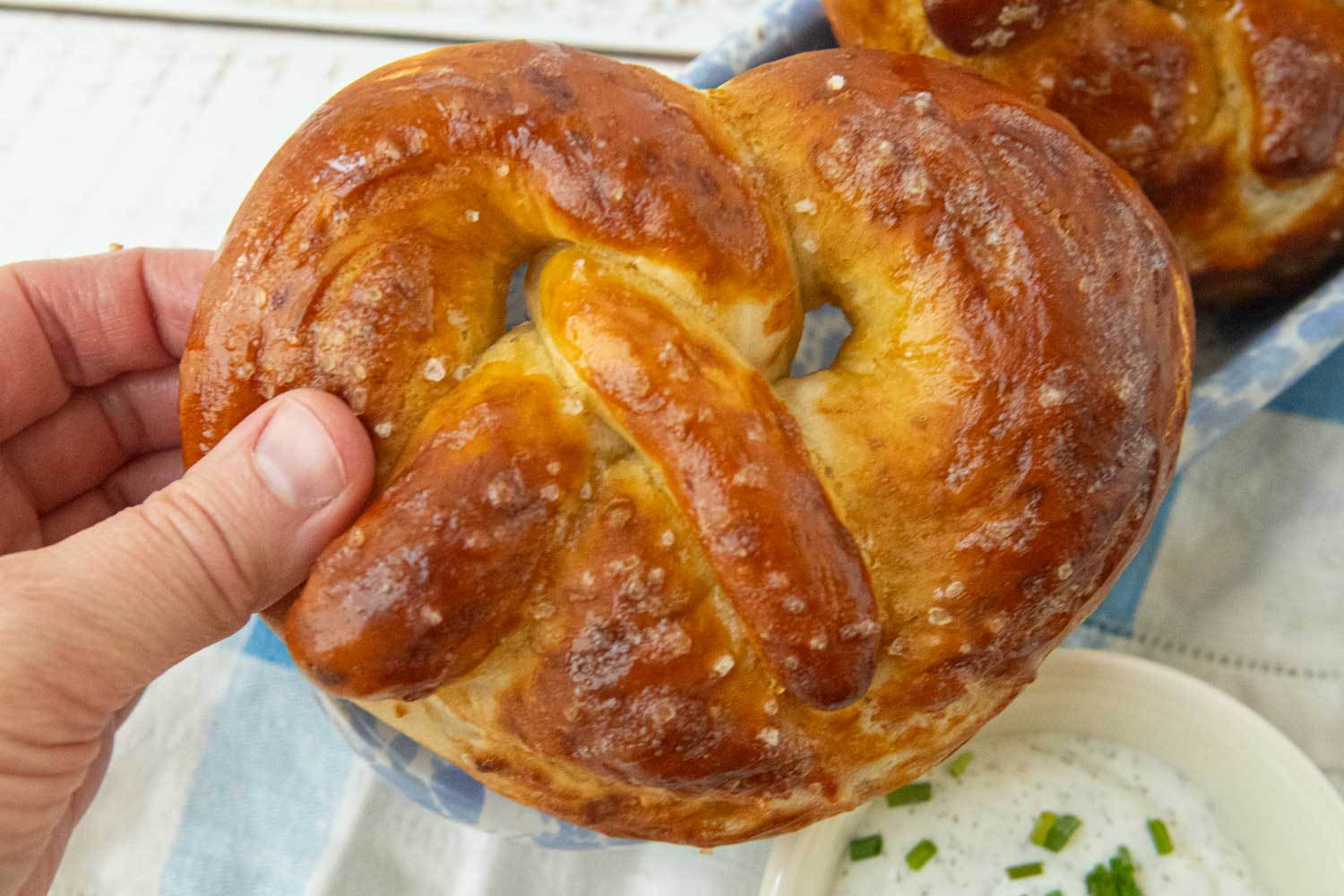
My History with Making Soft Pretzels
I’ve tried off and on for about 5 years to make good soft pretzels. I’ve tried many many people’s recipes and I’ve never been really happy with any of them. Many were messy to make, left the taste of too much baking soda, or got overly hard and crispy.
Despite everything, my students and my kids love making these, even through our many failed batches. I have a sequence of words I use to help them remember the shaping sequence, and they can all recite it from memory. There is something satisfying about making these with your own two hands, it’s basically a reminder to be joyful in your day.
Whatever the reasons for previous failures, I was tired of not turning out pretzels worth eating. I tinkered again with proportions, and I finally came up with a dough that reliably turns out tender, soft, delicious pretzels without drama.
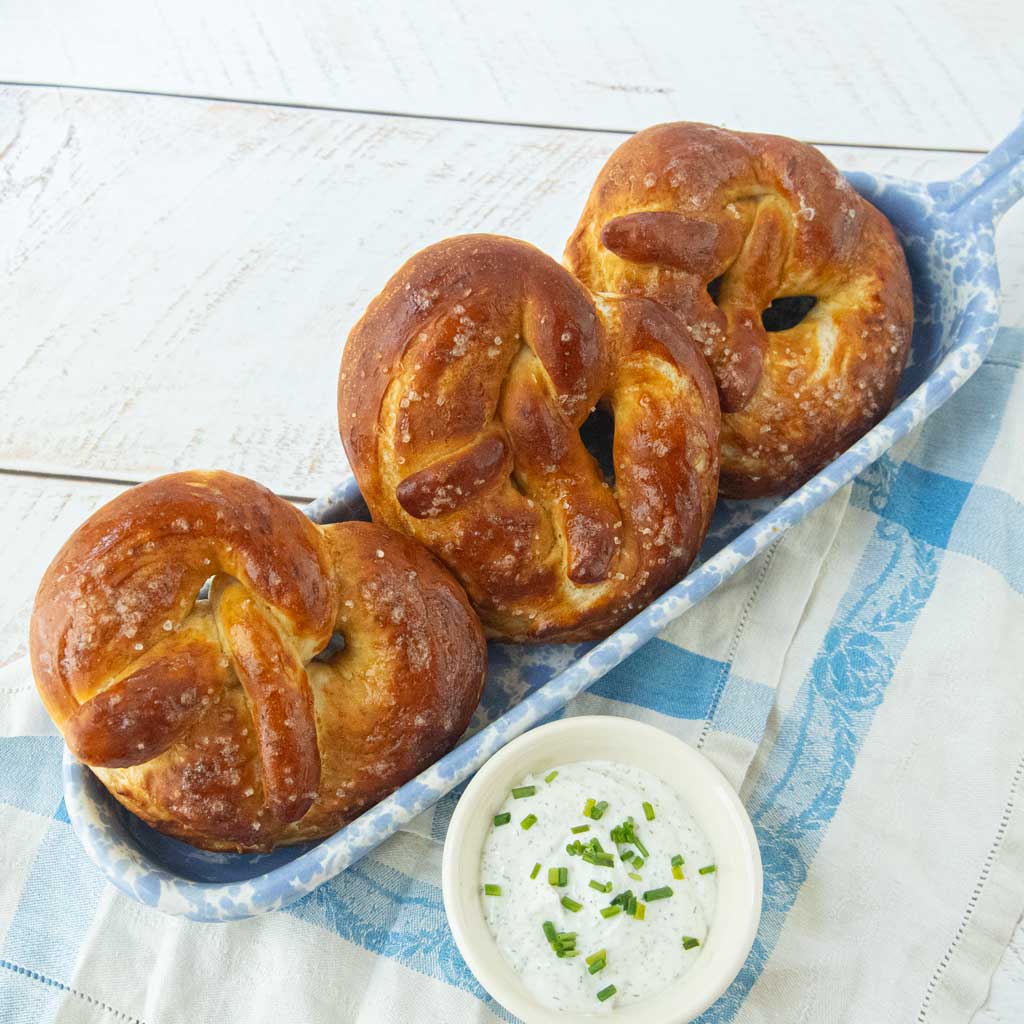
What are Pretzels?
Pretzels are a traditional German soft bread made into their distinctive folded shape with 2 large holes surrounding a smaller central hole. The shape is supposed to mimic hands in prayer or the Trinity. The pretzel has been a symbol of professional bakers’ guilds in Germany since the 1100s, though the idea of a pretzel is much older.
Called Brezeln (Brezel, singular) in German, they are a favorite treat in Bavaria during Oktoberfest and as an everyday snack. In the US, it’s hard to go to a ball game or a fair without seeing a stand selling giant pretzels, often with a side of cheese sauce, cheese spread (Obatzda), or mustard.
To make pretzels, a plain dough is rolled into a long log then folded several times in a sequence to make its characteristic shape. After proofing, the pretzels get treated with an alkaline solution, often lye (sodium hydroxide) or baking soda (sodium bicarbonate). The lye reacts with the surface of the dough, making for a highly burnished deep brown color (the Maillard reaction) once the pretzels are baked. There’s no worry about eating the lye–it transforms in the baking process into harmless salt and sodium carbonate.
Why I Don’t Use Lye in my Pretzels
A solution of lye is used in big bakeries in Munich and other pretzel making bakeries to create the deep brown surface on the pretzel. While lye gives superior color over baking soda and water, I do not feel comfortable using it myself at home because:
- I Work With Kids: Lye is a caustic substance that must be used in a well-ventilated space with gloves to protect hands and probably eye protection as well. These safety precautions make me nervous working by myself; I do not want to have to worry for the safety of my students. One turned back and I risk a kid getting hurt; that is not a day I ever want to have.
- Closed Systems vs. Your Open Kitchen: In this video of one of the biggest pretzel bakeries in Munich, their pretzels get a lye bath in a completely closed system. Human hands never get near the lye, making this very safe for the bakers. In your own kitchen, you do not have this luxury. You MUST put on an exhaust fan or work outside, and wear protective gear.
- Convenience: We all have baking soda on hand, but few of us casually have food grade lye sitting around in our kitchens.
I know there are plenty of people comfortable with using food grade lye in their homes, but I am not one of them. I like making things easy for people, so baking soda it is for the alkaline solution.
Ingredients for Homemade Soft Pretzels
Pretzel Bread Dough
- Warm water
- Instant yeast
- Granulated sugar
- All-purpose flour
- Salt
- Lard, tallow, or butter: adds flavor and flexibility to the dough.
Alkaline Solution for the Crust + Finishing
- Baking soda
- Boiling water
- Pretzel salt (or kosher salt)
Quick Cheese Dip
- Cottage cheese
- Granulated garlic
- Onion powder
- Dill
- Olive oil
- Lemon juice
- Salt
- Chives
Equipment Needed
- Bench scraper : for dividing the dough.
- Silicone baking mats or well-greased parchment paper: silicone mats make for the least amount of sticking.
- Baking sheets
- Paper towels or clean kitchen towel: For soaking up excess baking soda solution.
- Pastry brush : For brushing on the baking soda solution.
- Sharp knife or kitchen scissors : For making a cut in the thickest part of the pretzel for even baking.
How to Make Soft Pretzels
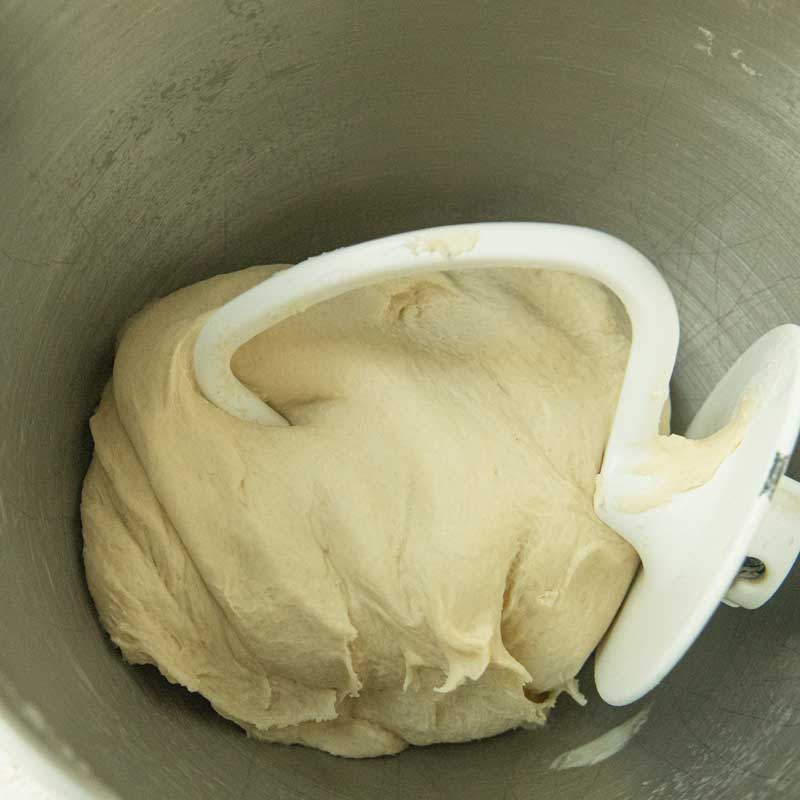
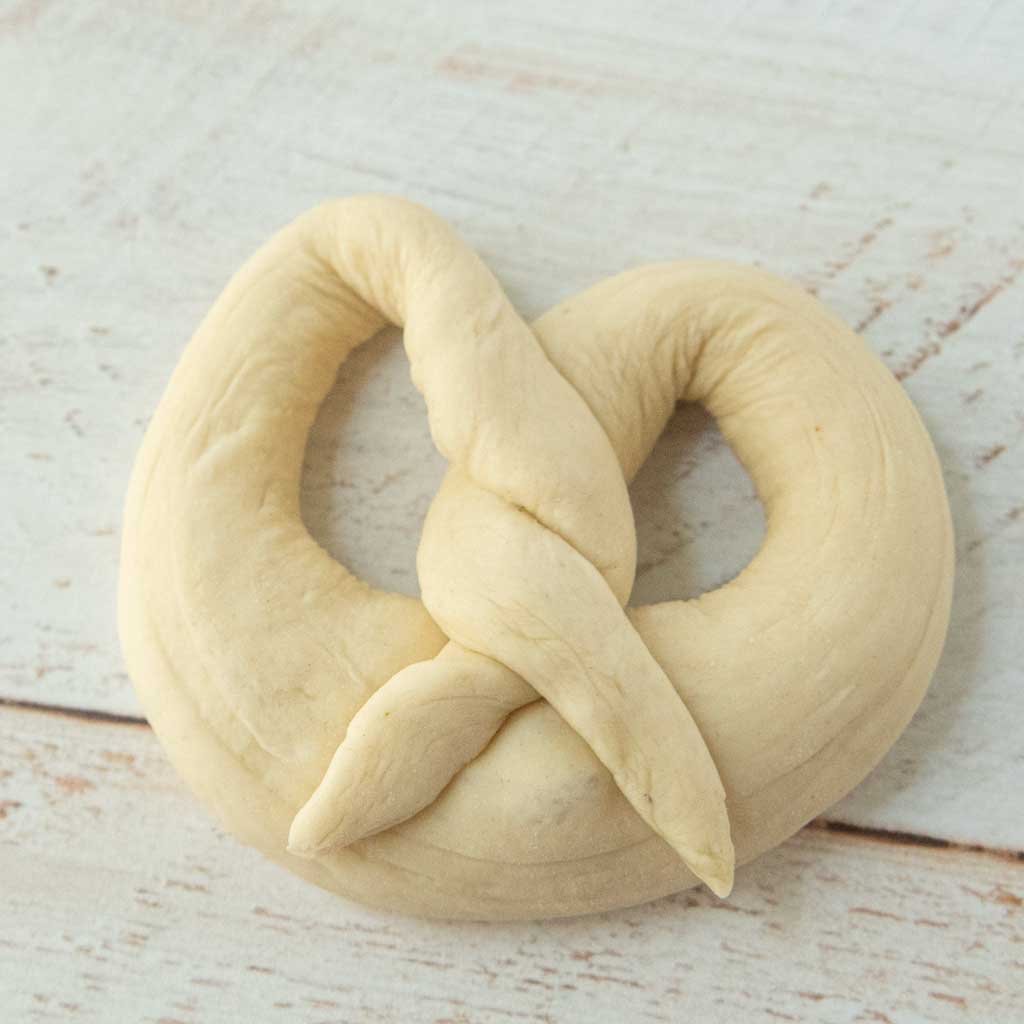
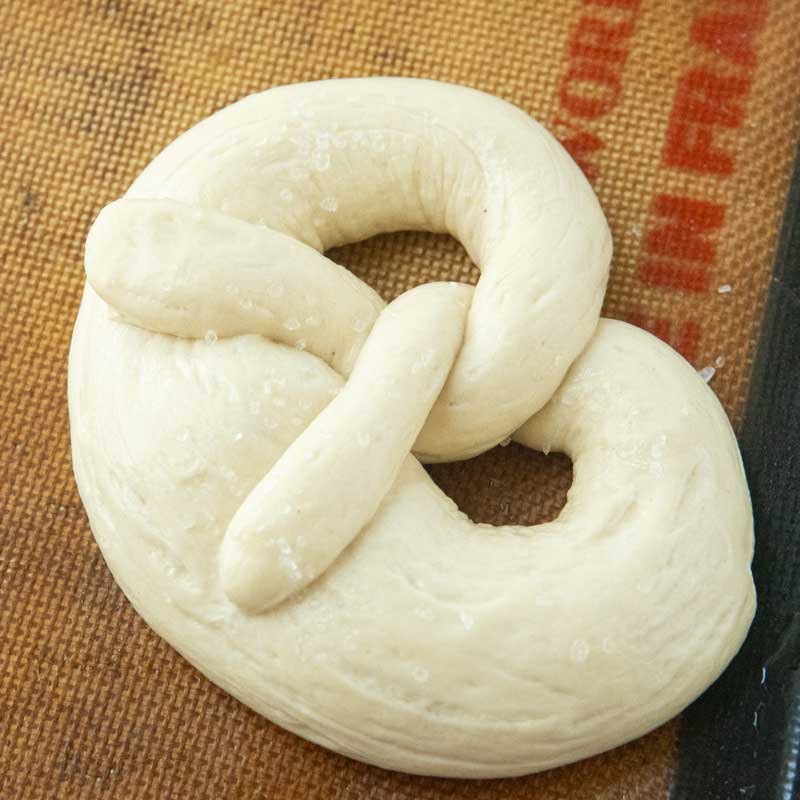
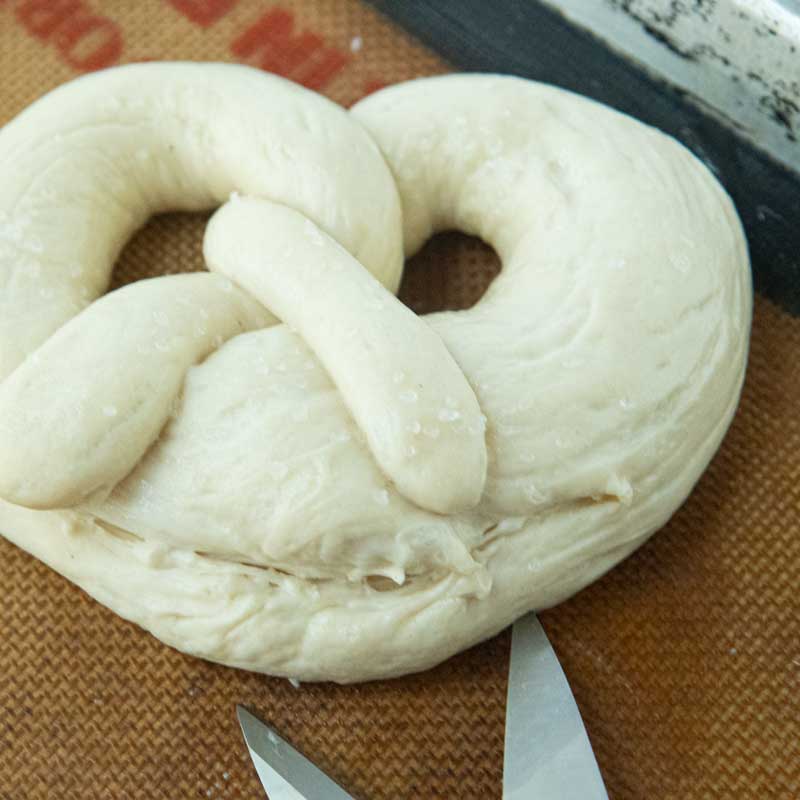
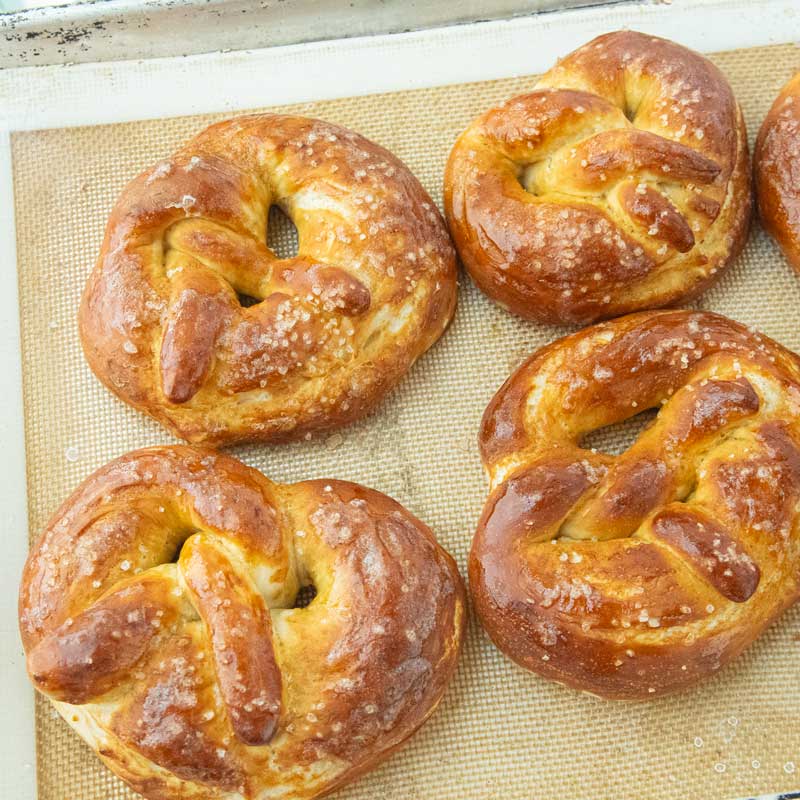
- Make the Dough: Dissolve the yeast in the warm water in a mixing bowl. Next, pour in the flour, then the salt, and lard. If you’re using a stand mixer, stir everything together with the dough hook briefly to make a rough dough, and then knead the dough on low speed until it is elastic and forms a ball around the hook–about 2-3 minutes. If you’re mixing by hand, next stir all the ingredients together with a spoon to form a rough dough. From there, turn out the dough onto a work surface and knead the dough until it is smooth–about 5 minutes. Cover the dough to rest and rise for 1 hour.
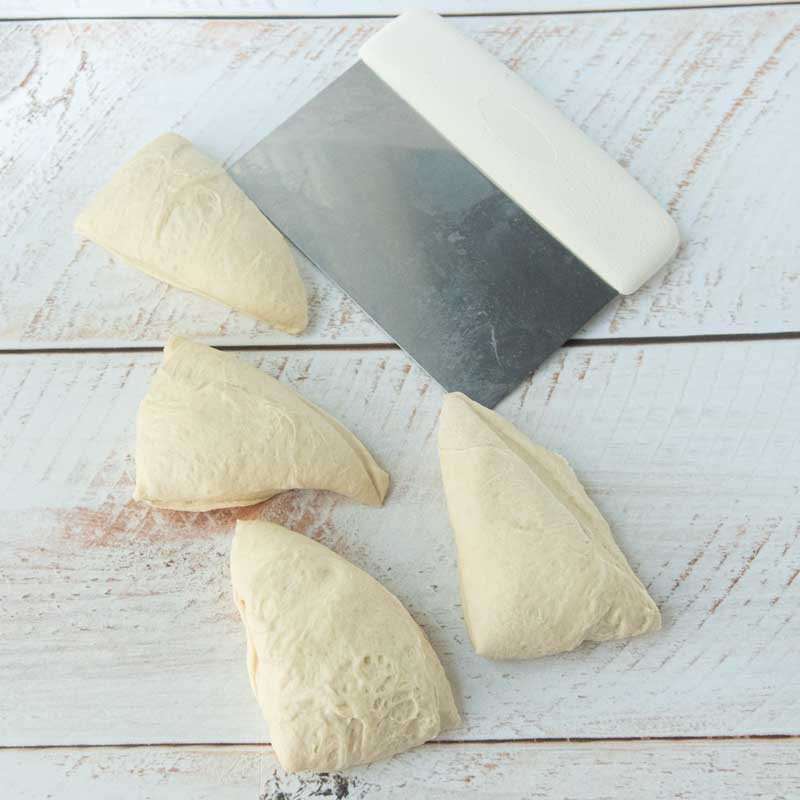
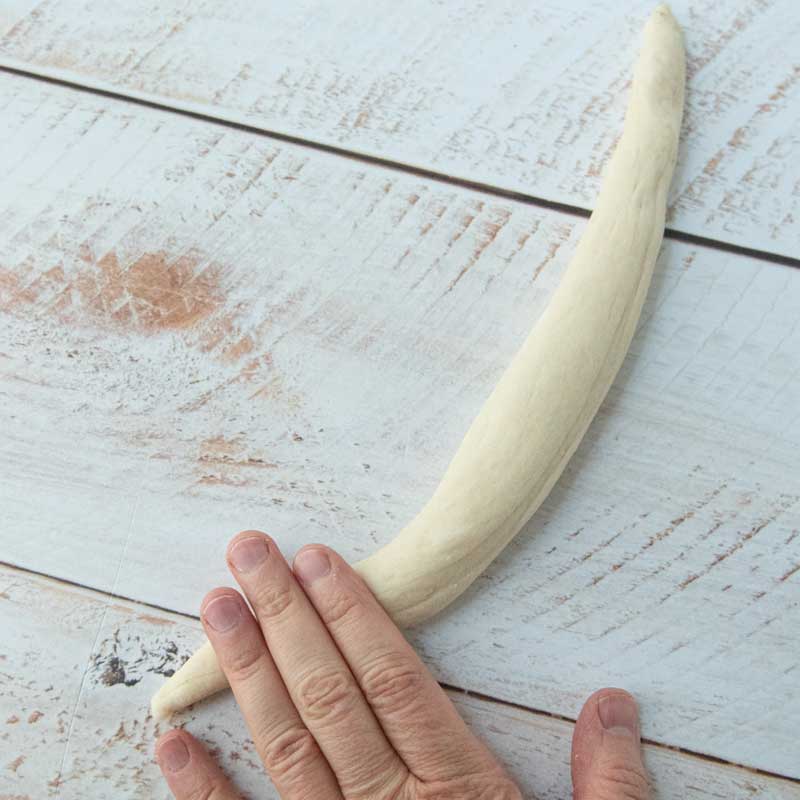
- Roll the Pretzels: Turn out the dough onto a work surface and divide it into 8 pieces. Roll each piece into a long snake about 12 inches long pressing with your hands from the center outwards. If the dough starts resisting rolling, leave it and come back to it later; this gives the gluten in the dough a chance to relax again before being asked to stretch more. Once you’ve rolled each piece, lengthen each piece to about 18 inches, leaving the middle the thickest, and tapering the ends. I call this step SNAKE for my students.
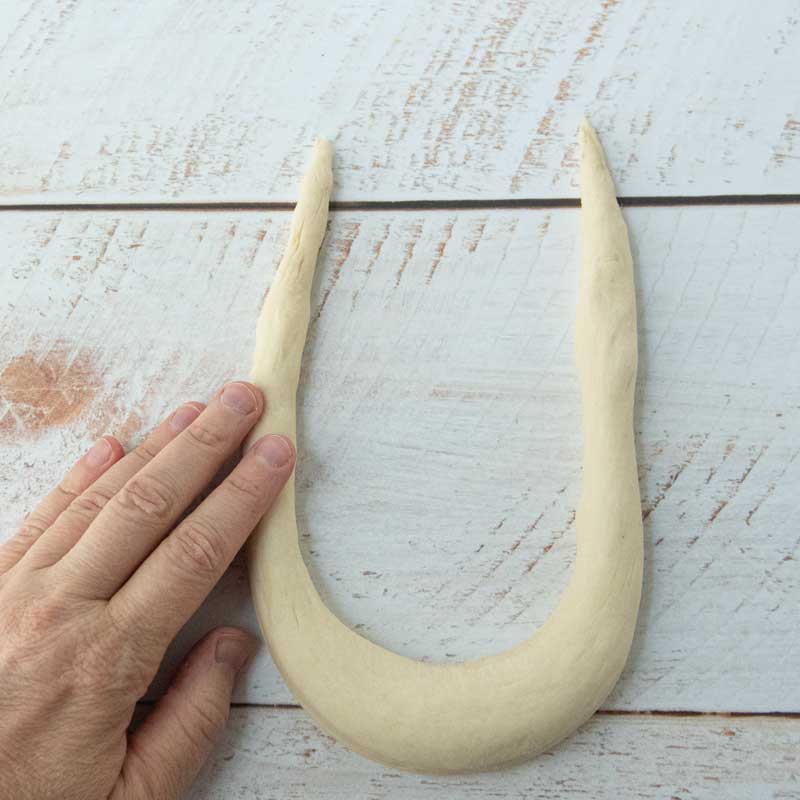
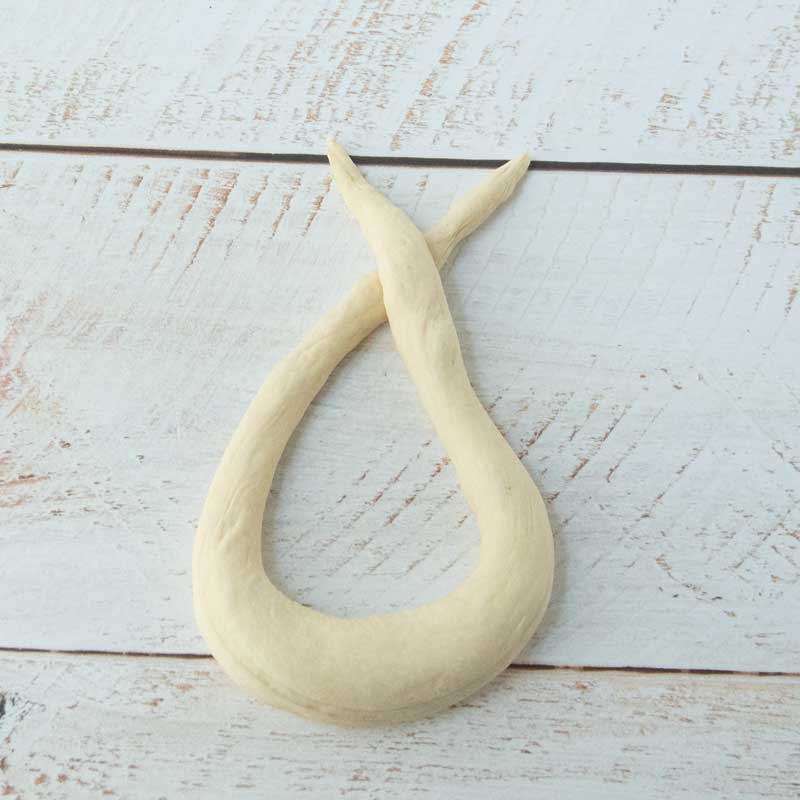
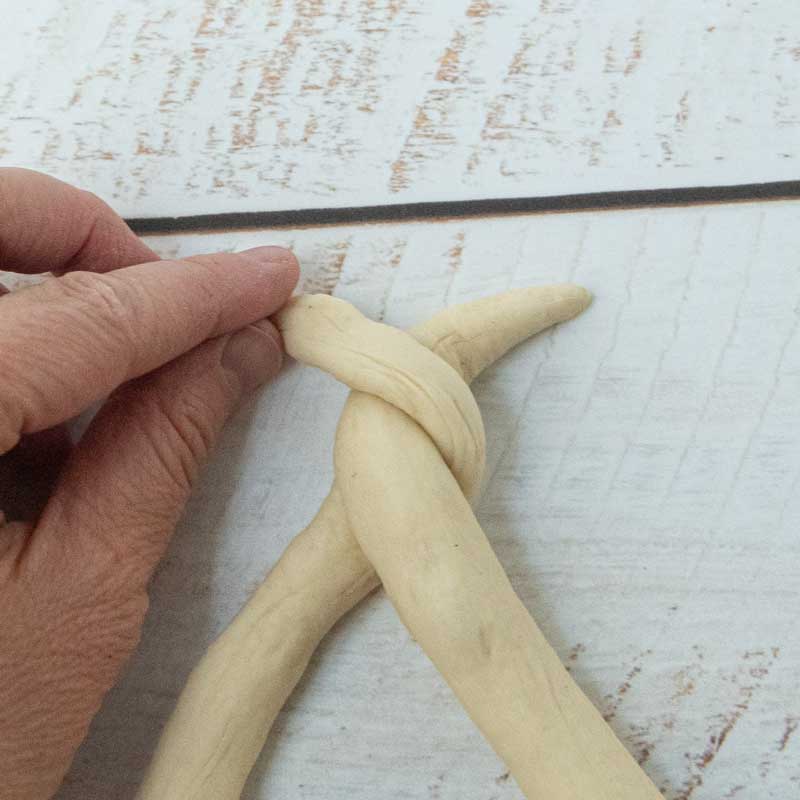
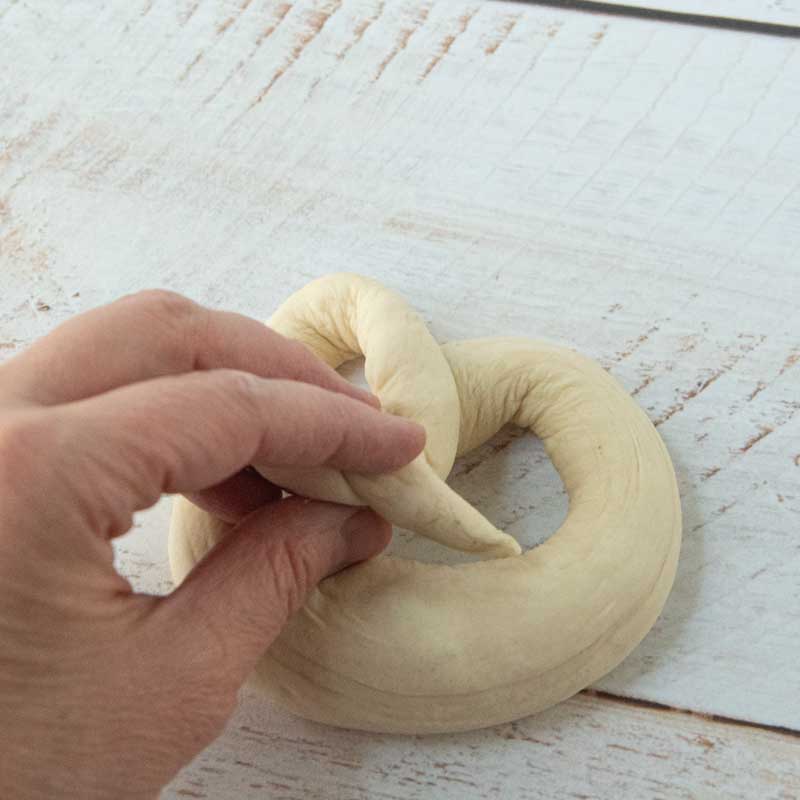
- Shape the Pretzels (Snake, Jump rope, Fish, Dive): Line two sheet pans with silicone baking mats or well-greased parchment paper. Take each snake and form it into a U-shape (jump rope). Twist the ends of the jump rope over each other twice (fish). Bring the fish’s tail down over the middle part of the pretzel (dive). Now you have a lovely pretzel. Place the pretzel on one of the prepared sheets and then continue shaping pretzels following the same sequence. Place 4 pretzels on each sheet. Cover the pretzels to rest in the fridge uncovered for 30 minutes.
- Make the Alkaline Solution: While the pretzels rest, boil the water for the baking soda solution in a small pot. Add in the baking soda, whisking until the baking soda dissolves. Pour the solution into a small bowl to cool slightly.
- Preheat the Oven: Preheat the oven to 425 F (220 C).
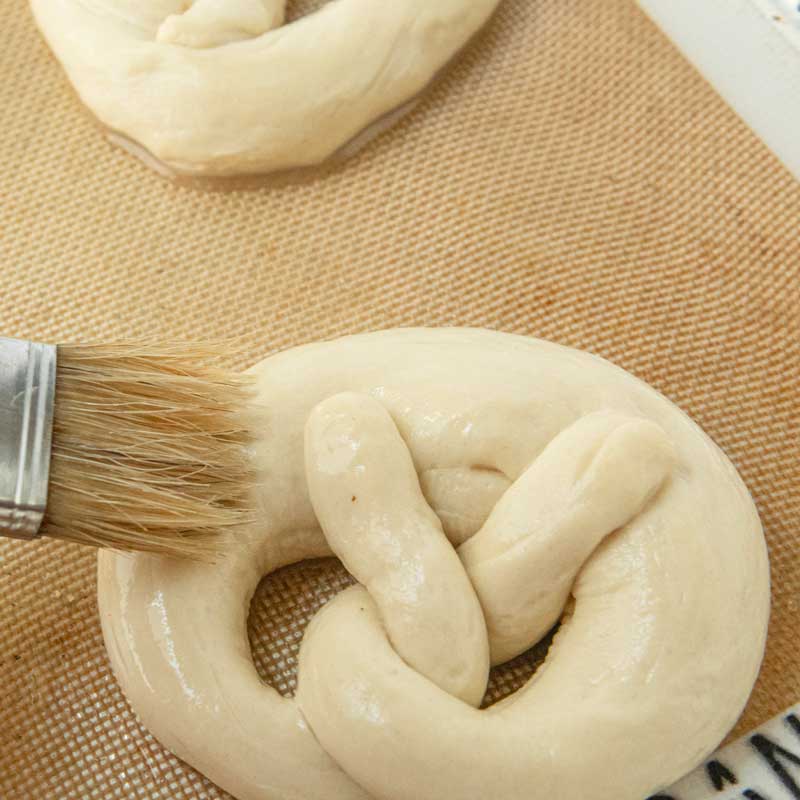
- Brush on the Baking Soda Solution: Brush the rested pretzels with the baking soda solution, making sure to get all the top surfaces of the pretzel. Brush on one thin layer on each pretzel and then brush on a second layer in the same order you brushed them. Use paper towels or a kitchen towel to soak up any solution that might be pooling at the bottom of each pretzel. Doing this will keep the bottoms of the pretzels from sticking and also keeps the pretzels from getting too much baking soda flavor. Sprinkle the pretzels with coarse salt.
- Bake: Just before baking, make a horizontal cut about 2″ long on the thickest part of each pretzel with a sharp knife or kitchen scissors . Bake the pretzels for 12-15 minutes, rotating the pans halfway through baking. The pretzels should be deep golden brown and the surface will bounce back when you touch them.
- Brush with Butter: Immediately after baking, brush the soft butter onto the pretzels. The butter will keep the crust soft and give it even better flavor!
How to Store Homemade Soft Pretzels
Soft pretzels are best eaten the same day they’re made. For longer storage, place baked pretzels in freezer ziploc bags, removing as much air as possible. You can freeze pretzels like all bread for up to 3 months. To thaw, place the pretzels in a 300 F oven for a few minutes.
What to Serve with Soft Pretzels
- Charcuterie of any kind
- Grilled sausages and pickles
- German sweet mustard
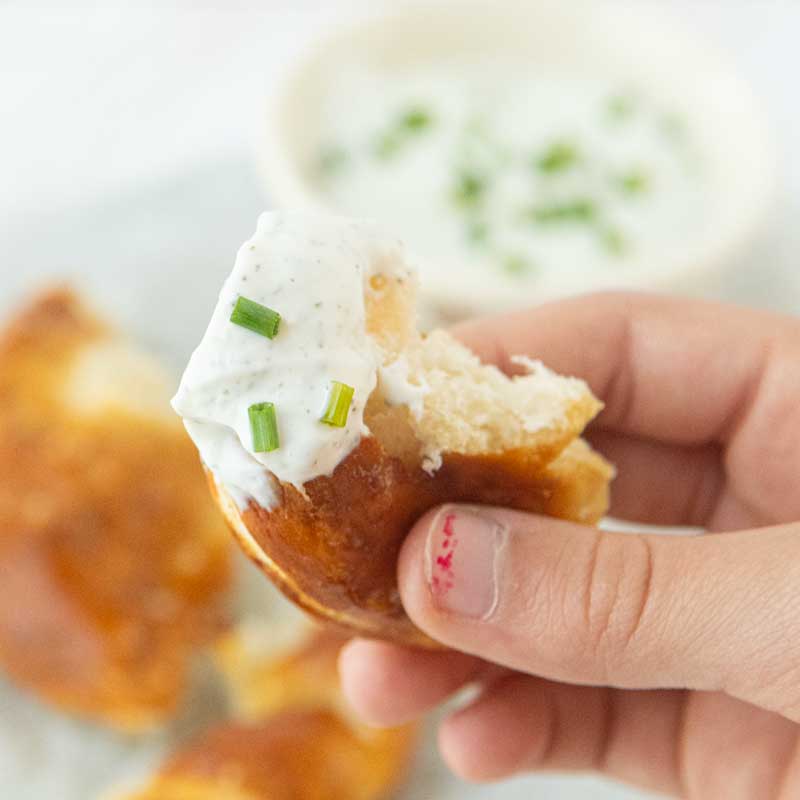
- Cheese sauce (I have a mild flavored dill whipped cottage cheese sauce in the recipe) or cheese dip: Obatzda is traditional, though any soft spreadable cheese is good
More German Recipes for Oktoberfest
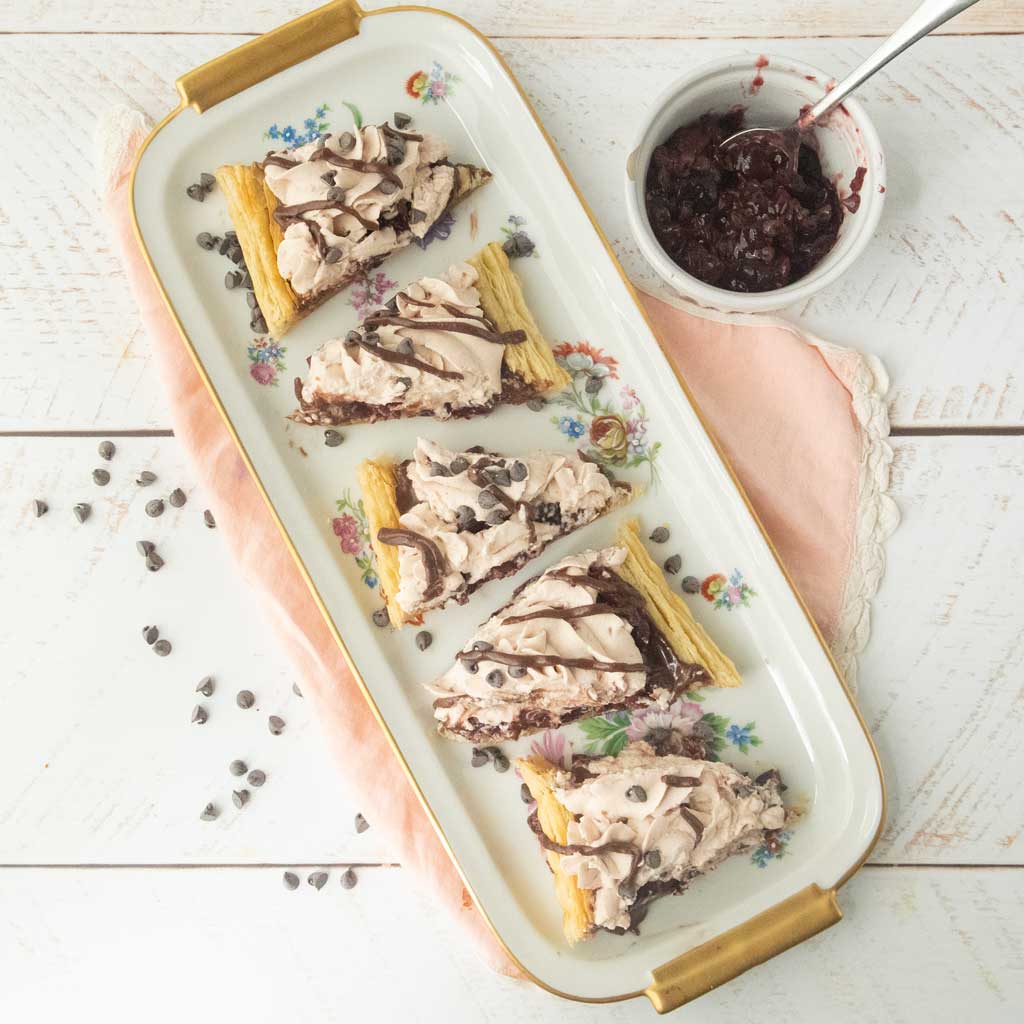


- Black Forest Tart
- Apple Strudel (Apfelstrudel)
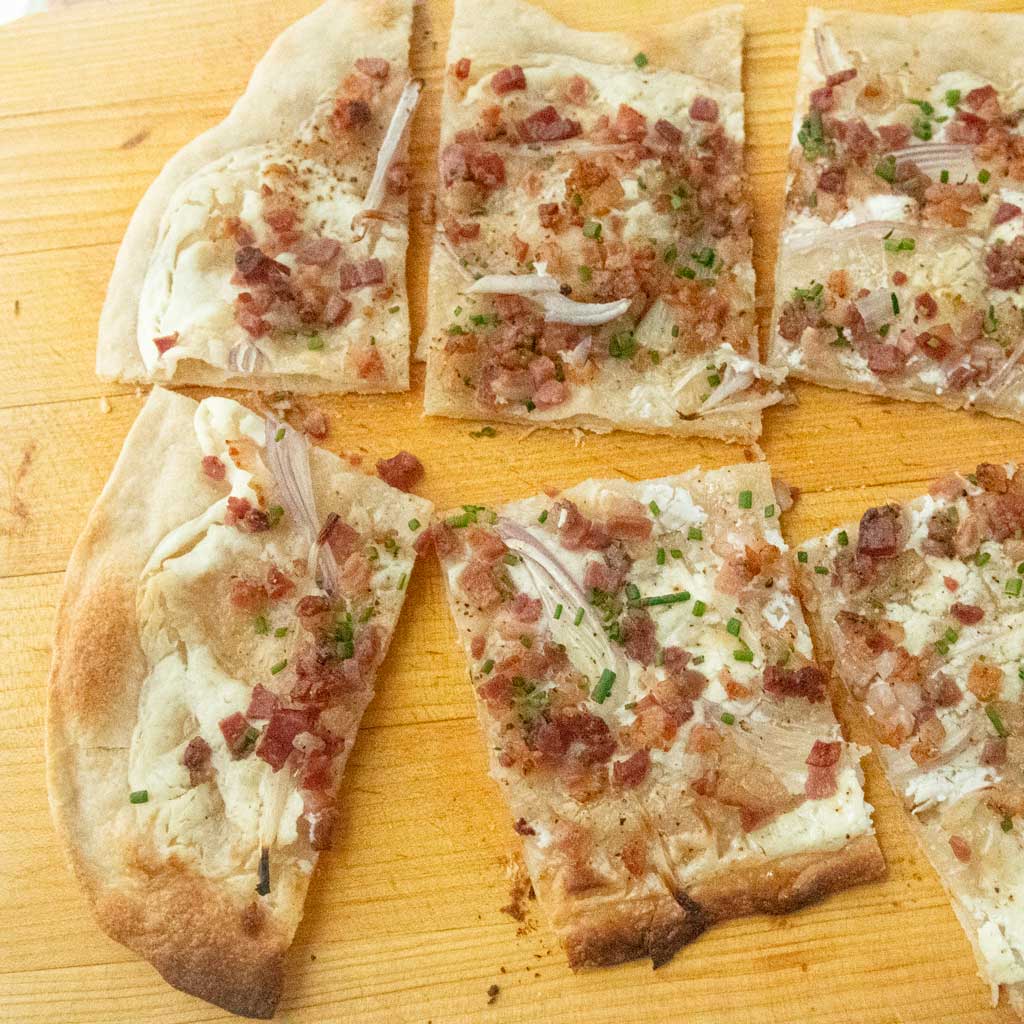
- Flammkuchen
- Plum Cake with Streusel
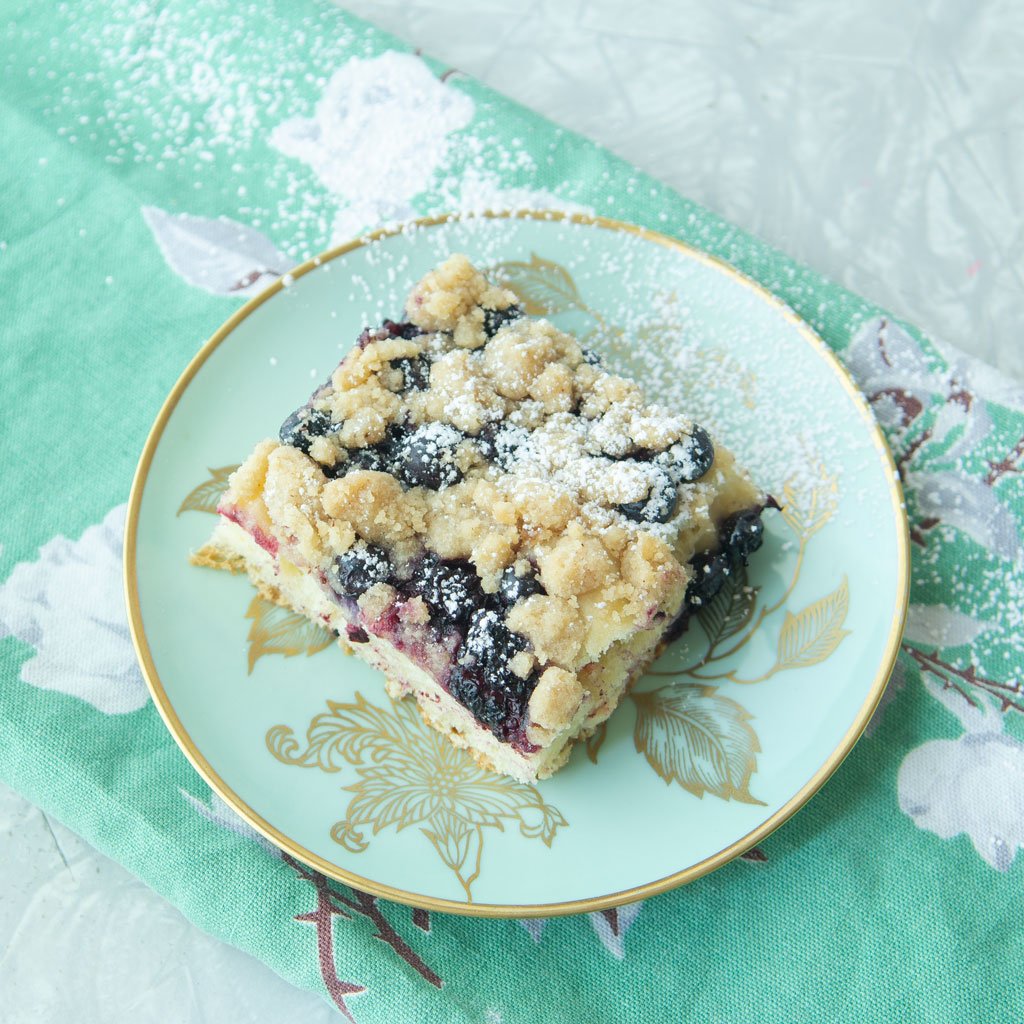
- German Crumb Cake
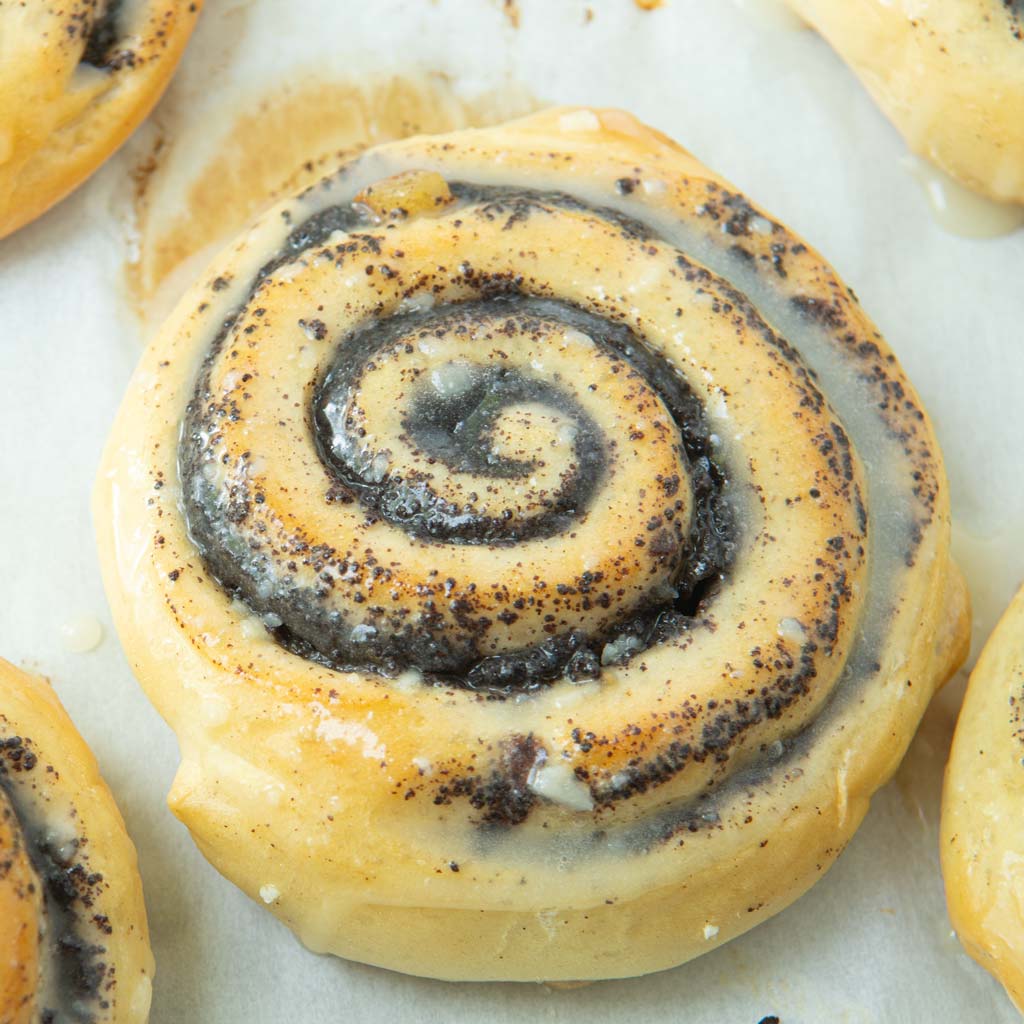
- Mohnschnecken (poppy seed rolls)
- Mohnstriezel (poppy seed twist)
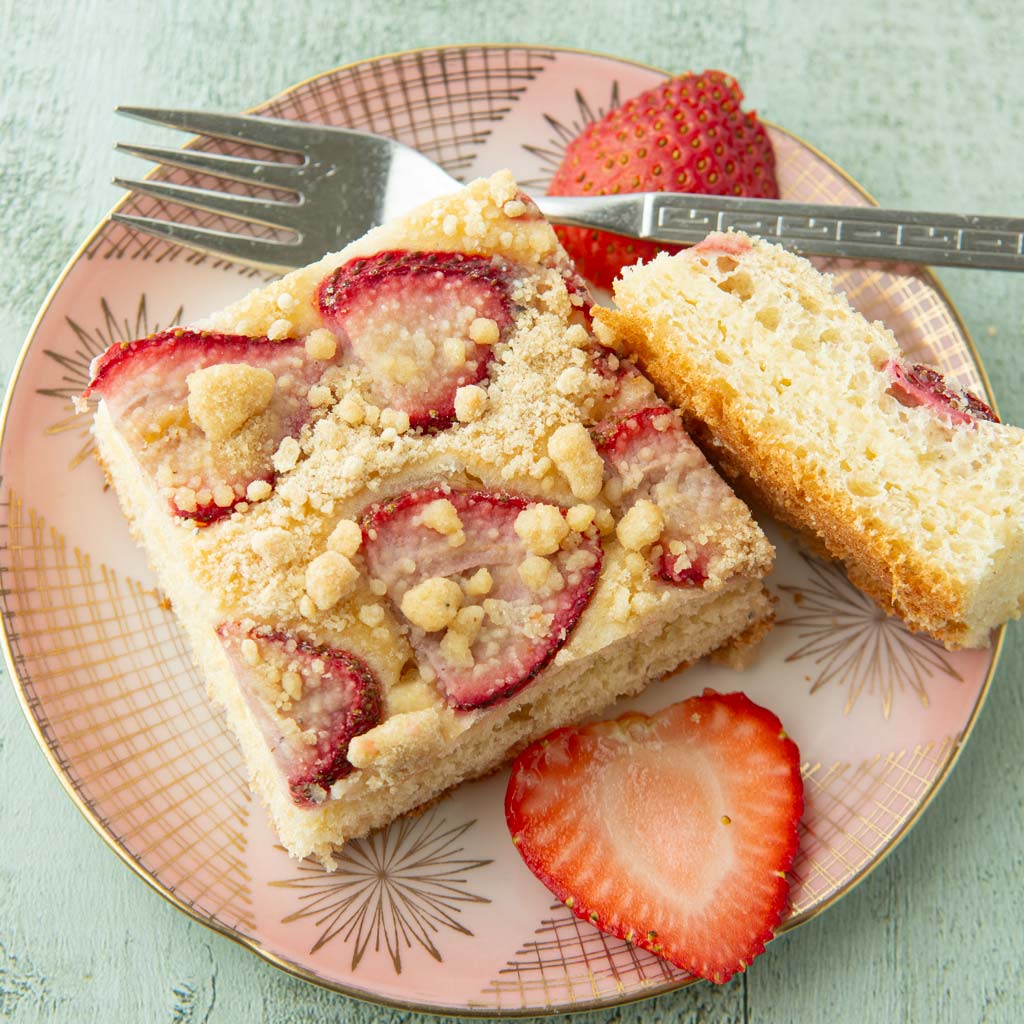
- Erdbeerstreuselkuchen (Strawberry Crumb Cake)

Big Soft Pretzels
- Total Time: 2 hours
- Yield: 8 big pretzels 1x
Description
These easy to make pretzels are extra soft on the inside with a deep burnished chewy outer crust that doesn’t require lye or any messy application. They’re equally good eaten plain as they are dunked in cheese dip, spread with butter, or sweet German mustard.
Ingredients
Soft Pretzel Dough
- 1 and 1/4 cups warm water (295 mL)
- 2 teaspoons instant yeast or active dry
- 1 Tablespoon granulated sugar
- 3 and 1/2 cups all-purpose flour (455 g)
- 1 teaspoon salt
Baking Soda Solution
- 1 cup water
- 2 tablespoons baking soda
Finishing the Pretzels
- 1 teaspoon pretzel salt , kosher salt, or other coarse salt
- 1 Tablespoon soft butter
Whipped Dill Cottage Cheese
- 1/2 cup full fat cottage cheese
- 1 teaspoon dried dill
- 1/2 teaspoon granulated garlic
- 1/2 teaspoon onion powder
- 1/4 teaspoon black pepper
- 1/4 teaspoon salt
- 1 tablespoon olive oil
- 1 tablespoon lemon juice
- 1 tablespoon chopped fresh chives
Equipment
- Bench scraper
- Silicone baking mats or well-greased parchment paper
- 1/2 sheet pans (2)
- Paper towels or clean kitchen towel
- Pastry brush
- Sharp knife or kitchen scissors
Instructions
Make the Dough
- Dissolve the yeast in the warm water in a mixing bowl.
- Pour in the flour, then the salt, and lard.
- Knead by stand mixer: If you’re using a stand mixer, stir everything together with the dough hook briefly to make a rough dough, and then knead the dough on low speed until it is elastic and forms a ball around the hook–about 2-3 minutes. It will feel stiff but elastic, kind of like silly putty.

- Knead by hand: If you’re mixing by hand, stir all the ingredients together with a spoon to form a rough dough. From there, turn out the dough onto a work surface and knead the dough until it is smooth–about 5 minutes.
- Cover the dough to rest and rise for 1 hour.
Roll the Pretzels
- Turn out the dough onto a work surface and divide it into 8 pieces.
- Roll each piece into a long snake about 12 inches long pressing with your hands from the center outwards.
- If the dough starts resisting rolling, leave it and come back to it later; this gives the gluten in the dough a chance to relax again before being asked to stretch more.
- Once you’ve rolled each piece, lengthen each piece to about 18-20 inches, leaving the middle the thickest, and tapering the ends. I call this step SNAKE for my students.
Shape the Pretzels (Snake, Jump rope, Fish, Dive)
- Line two sheet pans with silicone baking mats or well-greased parchment paper.
- Take each snake and form it into a U-shape (jump rope).
- Twist the ends of the jump rope over each other once (fish).
- Twist the fish’s tail a second time.
- Bring the fish’s tail down over the middle part of the pretzel (dive), pressing the ends onto the body of the pretzel firmly so that they stick. Now you have a lovely pretzel. Place the pretzel on one of the prepared sheets and then continue shaping pretzels following the same sequence.
- Place 4 pretzels on each sheet.

- Cover the pretzels to rest in the fridge uncovered for 30 minutes.
Make the Alkaline Solution
- While the pretzels rest, boil the water for the baking soda solution in a small pot.
- Add in the baking soda, whisking until the baking soda dissolves.
- Pour the solution into a small bowl to cool slightly.
Preheat the Oven
- Preheat the oven to 425 F (220 C).
Brush on the Baking Soda Solution
- Brush the rested pretzels with the baking soda solution, making sure to get all the top surfaces of the pretzel. Brush on one thin layer on each pretzel and then brush on a second layer in the same order you brushed them.
- Use paper towels or a kitchen towel to soak up any solution that might be pooling at the bottom of each pretzel. Doing this will keep the bottoms of the pretzels from sticking and also keeps the pretzels from getting too much baking soda flavor.
- Sprinkle the pretzels with coarse salt.
Score and Bake
- Just before baking, make a horizontal cut about 2″ long on the thickest part of each pretzel with a sharp knife or kitchen scissors .
- Bake the pretzels for 12-15 minutes, rotating the pans halfway through baking.
- The pretzels should be deep golden brown and the surface will bounce back when you touch them.
Brush with Butter
- Immediately after baking, brush the soft butter onto the pretzels. The butter will keep the crust soft and give it even better flavor!
Whipped Dill Cottage Cheese
- Add all the ingredients except the chives to a blender or small food processor . Whiz everything together until smooth. Scoop the dip into a small dish to serve alongside your pretzels, and then sprinkle with the chives.


Notes
*Nutrition data was calculated without the cheese dip since we all like to eat our pretzels differently.
Troubleshooting:
1. My pretzels are sticking!: Likely, the bottoms of your pretzels are sitting in too much water from the alkaline solution. Definitely soak up any excess liquid with paper towels. Additionally, try baking on a silicone mat for the best release. In a pinch, parchment works here too, though make sure you spray it well with cooking spray.
2. My pretzels taste too much like baking soda: The baking soda is here to help the crust brown, but it’s easy to go overboard and end up with a pretzel that tastes like antacid. Lightly brush on two layers and soak up any excess solution with paper towels before baking. This way, the water won’t pool under the pretzels, leaving that off kind of taste.
3. My pretzel shape disappears after baking: Make sure to take your time in shaping. If the dough resists rolling longer, move on to another piece of dough before trying again. Longer rolls will give you larger holes in your pretzels. As your shape the pretzels, exaggerate the shape, leaving big holes. As they rise and bake, the holes will get smaller, and that’s just fine (actually I like it because then you can split the pretzels like a roll and use them for sandwiches!).
- Prep Time: 15 minutes
- Cook Time: 15 minutes
- Category: Appetizer, Breads
- Method: Baking
- Cuisine: German




I am not seeing the type or amount of lard required for the pretzel dough in your list of ingredients.